Song Meaning
The lyrics paint a picture of escape from urban chaos into a serene natural setting. The narrator, feeling weary of the city's relentless pace, yearns to leave the "מהומה" (commotion) behind. The transition is marked by a "יום בהיר" (bright day) and a specific, liminal season – "כבר לא חורף וקיץ עוד לא בא" (it's no longer winter and summer hasn't arrived yet) – suggesting a moment of calm before change. This temporal space perfectly mirrors the desire for a peaceful interlude.
The central tension lies in the contrast between the exhausting "מרוץ" (race) of city life and the profound peace found in nature and connection. The narrator explicitly states, "התעייפתי מהמרוץ" (I'm tired of the race), directly opposing the idyllic vision of traveling "רחוק מתוך המהומה" (far from the commotion). This yearning for a simpler existence, where the only imperative is to "רק לאהוב" (just to love), drives the narrative forward.
The most striking image is the desire to "להרגיש כמו אגם רוגע" (feel like a calm lake). This metaphor encapsulates the ultimate goal: a state of deep tranquility and stillness, a stark contrast to the frantic energy of the city. The repetition of "לאהוב קרוב קרוב" (to love close close) emphasizes the intimacy and grounding nature of this desired emotional state, suggesting that true peace is found in closeness and simple affection.
This lyrical passage resonates because it articulates a universal weariness with modern life's demands and a deep-seated longing for respite. The craft here is in its directness and evocative imagery. By juxtaposing the harshness of the "עיר" (city) with the soothing elements of "אדמה" (earth) and "מים זכים" (pure water), the lyrics create a powerful emotional arc. The final image of the calm lake serves as a potent, aspirational endpoint, offering a clear vision of the peace the narrator seeks.
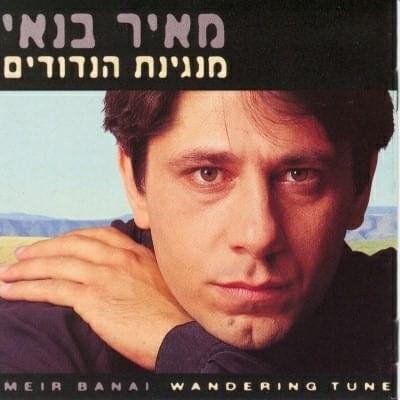
 View Artist