Song Meaning
The lyrics paint a stark picture of urban desolation, opening with images of an asphalt road against a wall and beggars in a corner. A desperate plea echoes through the city: "Look at me, only me." This cry for attention seems to stem from a place of internal struggle, as the narrator describes participating in "battles," experiencing both "victories, defeats." The repetition of this plea underscores a profound need for recognition amidst a seemingly indifferent environment.
The central tension arises from the desire for external validation versus the overwhelming need for cleansing and escape. The narrator repeatedly calls for rain, "Rain, come down already, rain," not for renewal, but to "wash it all away." There's a palpable weariness, a refusal to confront the reality of the situation, suggesting a deep-seated pain or shame that the rain is meant to obliterate. The city itself is personified as "tired" and "afraid of itself," yearning for breath, mirroring the narrator's own exhaustion and fear.
The most striking craft element is the juxtaposition of the intensely personal, almost narcissistic "Look at me, only me" with the collective, existential plea for rain to cleanse the entire city. This creates a fascinating dynamic: is the narrator's need for attention a symptom of the city's decay, or is the city's malaise a reflection of the narrator's internal state? The lyrics offer no easy answers, instead presenting a cyclical struggle where memories and darkness persist, leaving the narrator to "again ask, no answer." The repeated call for rain, a force of nature, highlights a desire for a powerful, external force to resolve internal and external conflicts.
Ultimately, the effectiveness of these lyrics lies in their raw, unvarnished portrayal of urban alienation and personal desperation. The simple, direct language, coupled with the insistent repetition of the central cries, creates a sense of suffocating intensity. The narrator's dual need for individual recognition and a universal cleansing, embodied by the longed-for rain, resonates with a feeling of being trapped, both by one's own struggles and by the environment that seems to amplify them. It’s a powerful expression of wanting to be seen while simultaneously wishing to disappear.
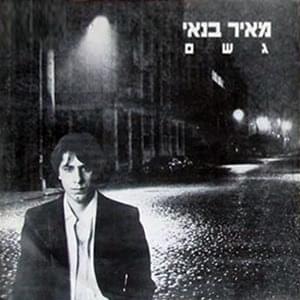
 View Artist