Song Meaning
The scene opens inside a luxurious car, a stark contrast to the stifling heat outside. The narrator observes a woman who seems distant, her gaze fixed on something far off. The immediate tension is palpable: he's about to leave, she'll drive on, and this moment, suspended in the car's artificial climate, is clearly an ending. The lyrics establish a mood of finality, underscored by the repeated phrase, "It's all over now."
This isn't just a breakup; it's framed as a recurring, hopeless narrative within the "big city." The love described is "not good," carrying "smells of danger," suggesting a relationship that was always precarious and perhaps toxic. The repetition of "It's all over now" hammers home the sense of inevitability and the exhaustion that comes with such a doomed romance.
The most striking image is the "street crumbling like an old photograph." This metaphor perfectly captures the feeling of a memory fading or a reality decaying, mirroring the dissolution of their relationship. The act of stopping at a red light, "stopping time," before the house, creates a poignant pause. It’s a moment of forced stillness before the inevitable separation, a final, shared breath.
What makes these lyrics resonate is their ability to capture the quiet, almost numb resignation of a relationship's end. The dialogue is minimal, functional: "Drive a little more," "Just a little more," "We'll meet." This understated exchange, set against the backdrop of a decaying urban landscape and a relationship already declared over, highlights the profound sadness of saying goodbye without a dramatic fight, just a slow, inevitable fade.
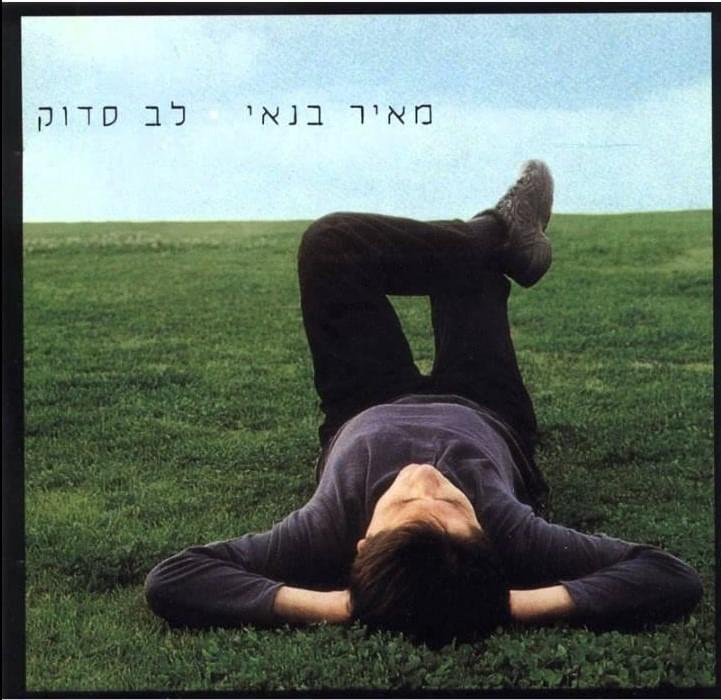
 View Artist