Song Meaning
The lyrics paint a picture of someone navigating a world of constant, often critical, online feedback. The opening lines describe a "mechanical mockery" from "network messages," suggesting a digital environment where every action, even attempts at unique self-expression like a "DaVinci portrait," is met with judgment. The narrator feels their "independent" persona is misunderstood, with self-deprecating humor twisted into "evidence of absence." This sets a tone of weary defiance against pervasive, impersonal criticism.
The core tension arises from the clash between the narrator's desire for authentic expression and the relentless, often superficial, judgment from others. The repeated plea, "If you don't like me just shut up, please," underscores this frustration. The lyrics suggest a feeling of being constantly scrutinized, where even "picking up a stool to watch the show" becomes a "topic of discussion." This implies a life under a microscope, where personal choices are amplified and distorted.
A striking image is the "sharp teeth" that have "grown with rose-like beauty," a juxtaposition of aggression and allure. This hints at a defense mechanism that is both formidable and aesthetically striking, blurring the lines between danger and desirability. The narrator seems to acknowledge a primal or monstrous aspect, noting the "monster and human gap" is only "zero point a few square meters." This suggests a perceived closeness to something wild or untamed, despite societal expectations.
Ultimately, the effectiveness of these lyrics lies in their raw portrayal of vulnerability under pressure. The repeated command to "Mute, well done" acts as both an instruction to the critics and a self-soothing mantra. It's a powerful expression of wanting to reclaim peace from the "noise," urging others to "收起幻想, 刻意模仿" (put away fantasies, deliberate imitation) and instead "保持清醒静静欣赏" (stay sober and quietly appreciate). The song captures the exhausting effort of maintaining individuality in a world that demands conformity and offers only shallow critique.
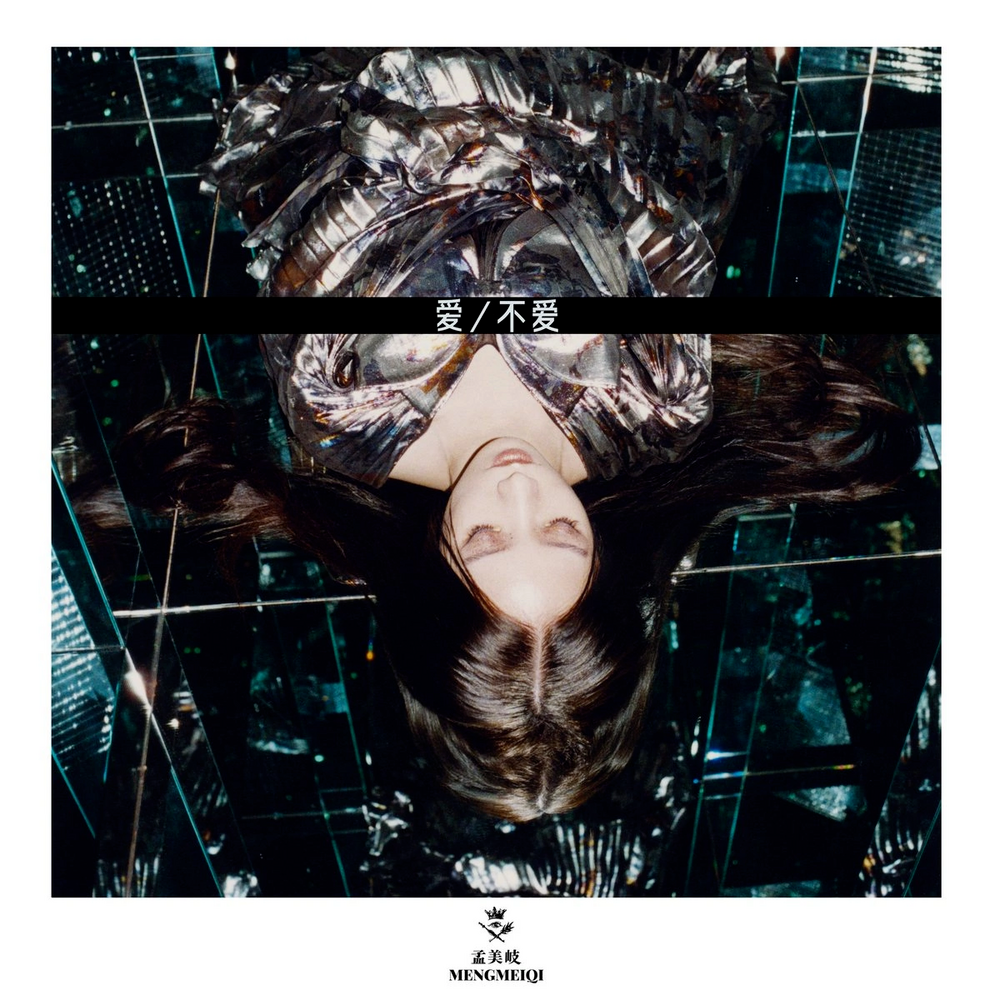
 View Artist