Song Meaning
Meiko's "Saddest Song In The World" isn't just a title; it's a stark declaration of emotional desolation. The song's power lies in its simplicity, a quiet unraveling triggered by a lover's sudden departure. The opening lines paint a familiar scene of abandoned mornings, the television's glow a cold substitute for human warmth. The narrator's connection to the on-screen character, whose lover has "gone to sea," reveals a deeper fear of abandonment and the crushing weight of loneliness. It's a clever lyrical device that collapses the distance between fiction and reality, blurring the lines of the narrator's pain.
The core of the song meaning revolves around the feeling of inadequacy and broken promises. The repeated line, "I gave all I could, but it wasn't good enough," speaks to a profound sense of self-doubt and the agonizing belief that one's efforts were ultimately futile. The expectation of the lover's return, "you said that you would be here before I woke up," highlights the sting of betrayal and the shattered trust that accompanies such a departure. The subsequent refrain, "Now you're gone," serves as a painful punctuation mark, a constant reminder of the loss.
The final verses, where Meiko pleads, "Why don't you take me with you," expose the depths of the narrator's despair. It's not merely a longing for companionship; it's a desire to escape the unbearable pain of existence without the loved one. The repetition of "Come and take me with you" underscores the desperation and the willingness to surrender oneself entirely to avoid facing the emptiness left behind. The "Oh Oh Oh" at the very end, devoid of any specific meaning, is perhaps the most honest expression of the song: pure, unadulterated grief.
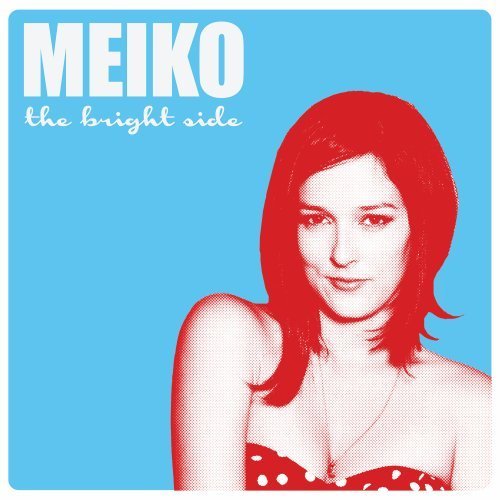
 View Artist