Song Meaning
Meiko's "Big City" isn't just a song; it's a raw, exposed nerve of longing and codependence, thinly veiled in a deceptively simple melody. The lyrics, stripped down to their emotional core, paint a portrait of separation anxiety bordering on the pathological. It's the kind of vulnerability that resonates because it taps into a universal fear: the fear of abandonment, amplified by the isolating vastness of modern life. The repeated plea, "Don't forget that you love me," is less a request and more a desperate attempt to maintain a fragile connection across the physical and emotional distance that the "big city" represents. This isn't just about missing someone; it's about the speaker's very sense of self being contingent on the other person's presence and affection.
The central question, "Where do we go when we are all alone?" hangs heavy in the air, unanswered and unanswerable. It's not a logistical query but an existential one. Meiko isn't just asking where they'll meet for coffee; she's asking where their identities, their sense of purpose, their very sanity will reside in the absence of the relationship. The imagery of "your body on the side of the bed" and "your clothes on the floor" isn't romantic; it's a stark reminder of the tangible void left behind, a physical manifestation of the speaker's internal emptiness. These aren't sentimental keepsakes; they are ghosts haunting the present.
Perhaps the most telling lines are the repeated, almost mantra-like, "I try to be alright / I try / And I try to sleep at night / I try / And I lie when I tell you I'm fine." This isn't strength; it's a performance of strength, a desperate attempt to convince both the absent lover and, more importantly, herself that she's coping. The repetition underscores the futility of the effort. The lie, revealed so plainly, exposes the depth of her dependence and the unbearable weight of her solitude. Ultimately, "Big City" isn't just a breakup song; it's an unflinching examination of the self-destructive tendencies that can arise when love becomes an anchor rather than a source of strength.
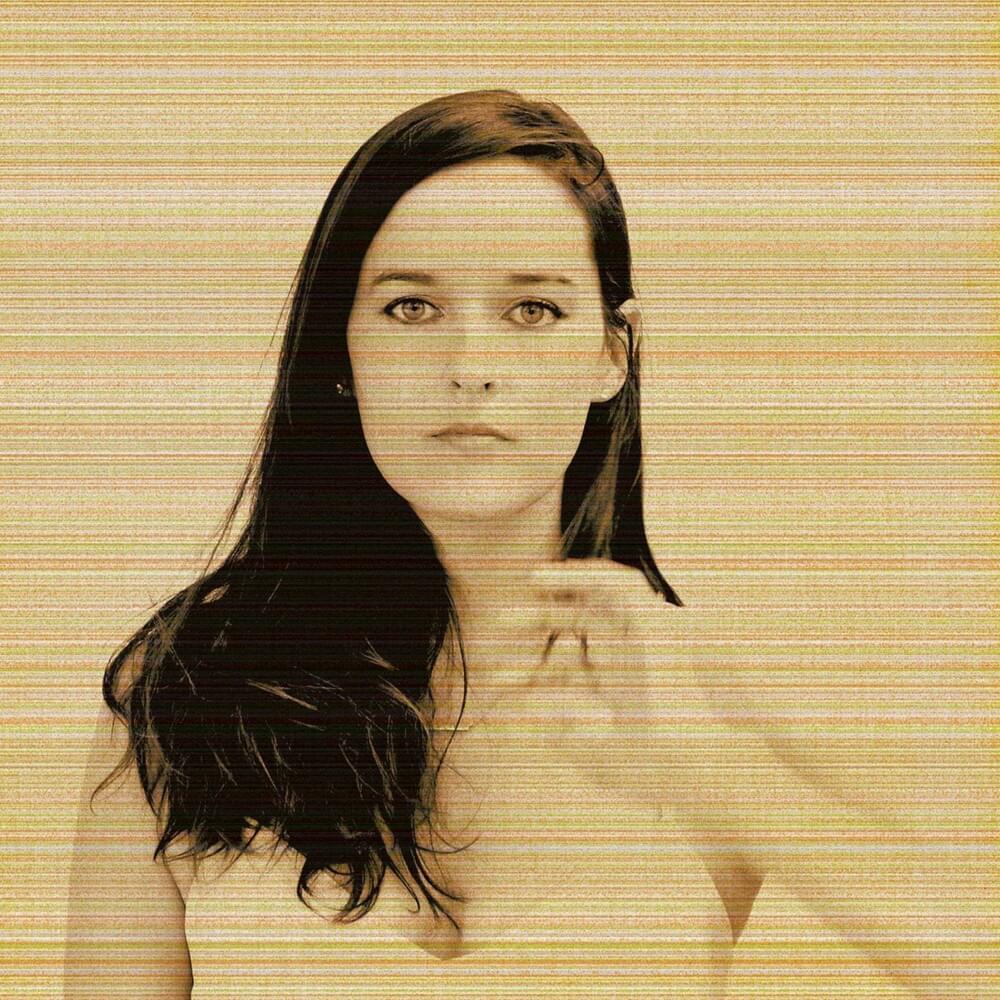
 View Artist