Song Meaning
The lyrics paint a stark picture of loss and resignation, set against the backdrop of a cheap, drafty room. The repeated phrase "別にどうって事でもないし" (Betsuni doutte kotode mo naishi – "It's not really a big deal, anyway") acts as a shield, a deliberate downplaying of significant emotional events. The narrator counts the "lines of the tatami" – a mundane, almost obsessive act that suggests a mind trying to find order or distraction in the face of profound emptiness. This isn't just apathy; it's a practiced detachment.
The central tension lies in the contrast between the narrator's stated indifference and the weight of the experiences described. They recall a man with "dead eyes like an orphan" whose fabricated past they listened to, and the act of making someone "throw away" a single strand of unfamiliar hair on a pillow. These are not trivial moments; they imply deep emotional connections and painful separations, yet each is met with the same dismissive refrain. The narrator appears to be constructing a narrative of non-involvement, even as the details suggest otherwise.
The most striking craft element is the relentless repetition of "別にどうって事でもないし." This phrase functions as a mantra of self-soothing or perhaps self-deception. It creates a jarring dissonance with the images of loss and emotional entanglement. The final line, "生命の序でに生きて行く" ("I'll just live on as a side effect of life"), crystallizes this feeling of passive existence, where life itself feels like an afterthought rather than a lived experience. The lyrics suggest a profound emotional numbness, a defense mechanism built from repeated disappointments.
This writing is effective because it captures a specific kind of quiet despair. The mundane details – counting tatami lines, a single hair – ground the emotional devastation in a relatable, everyday reality. The narrator's insistence that nothing is a big deal, despite the clear implications of pain and loss, creates a powerful sense of internal conflict. It’s the quiet, almost imperceptible ache of someone who has learned to live with their wounds by pretending they don't exist.
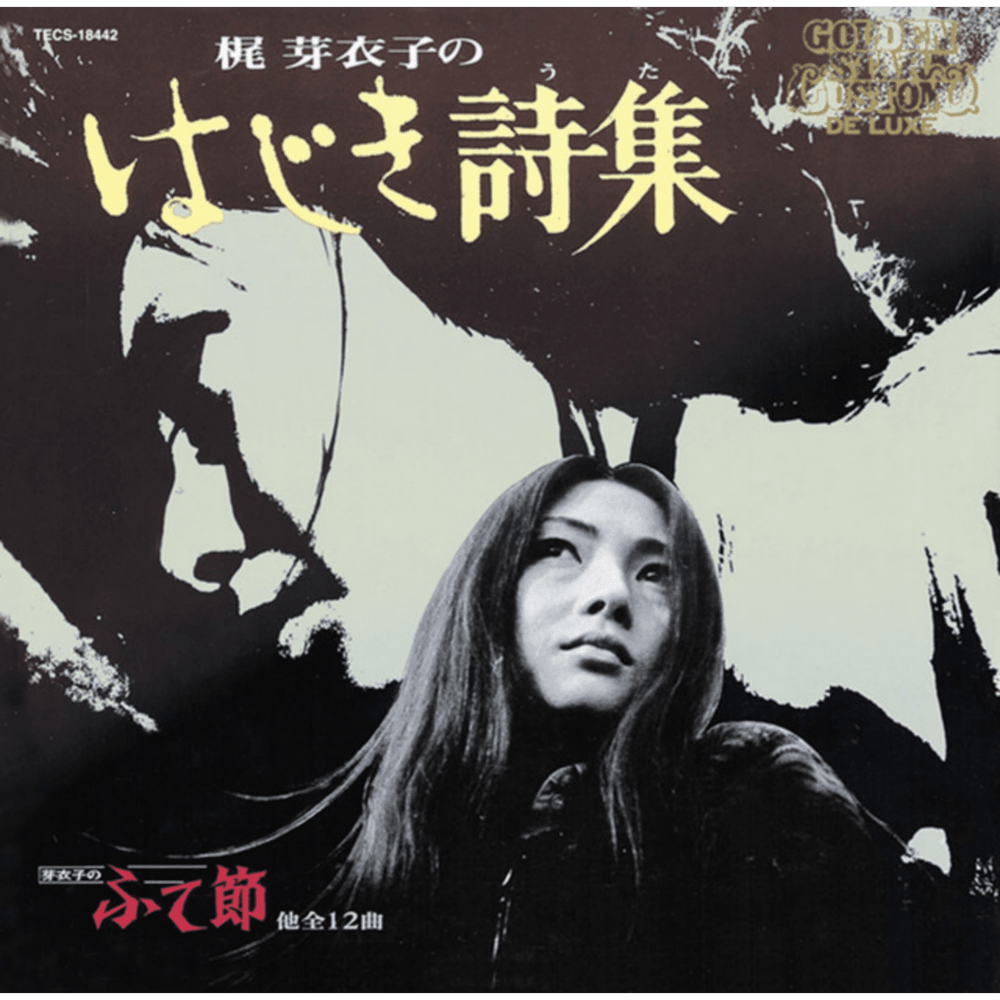
 View Artist