Song Meaning
The lyrics paint a vivid picture of a soul grappling with its origins and future, set against a backdrop of introspective melancholy. The opening verse introduces a "night train" and a "mournful conch shell," immediately establishing a somber, almost elegiac tone. This train, a vehicle of passage, is linked to a "blind river" that cries out, finding solace only in a song that was the "first heard" on a mother's lips. This suggests a deep connection between primal comfort and an underlying sorrow, a melody born from both life and lament.
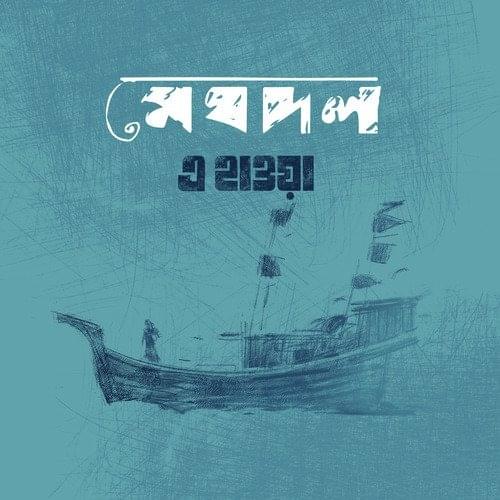
The central tension resides in the repeated question, "E hawa, amay nebe koto dure?" (Oh wind, how far will you take me?). This isn't just a query about physical distance but a profound existential plea. The narrator feels rooted, "ami ekhane" (I am here), yet is subject to the whims of an unseen force, the "hawa" or wind. This creates a palpable sense of being both stuck and adrift, yearning for movement while questioning the destination and the agency in reaching it.
The second verse delves into a fragmented sense of self, asking "Where was I?" and "Inside which word?" The "crushed light of letters" implies a past existence that was perhaps broken or indistinct, a state of being that is difficult to grasp. The narrator seeks to capture "my first song" from "which emotion, which silence," indicating a struggle to reclaim or understand their earliest sense of self and expression.
Ultimately, the lyrics resonate through their evocative imagery of a lost and searching spirit. The "lost tune" residing in a "garden of mystery blue Myth" and the "unspoken voice, song of dust" on the "return path" under a "vast sky" all contribute to a feeling of profound searching. The effectiveness lies in the contrast between the static "I am here" and the dynamic, questioning "how far will you take me?" This push and pull captures a universal human experience of feeling both grounded and uncertain about the path ahead.
 View Artist