Song Meaning
The lyrics paint a stark picture of a volatile relationship, opening with a repeated, almost desperate plea: "When will you kill me?" This isn't a literal death wish, but a raw expression of emotional exhaustion. The narrator seems resigned to the destructive nature of their partner's "Hot Spanish temper," likening their words to "murder" and their actions to a "suicide bomber," yet defiantly stating, "I'm not scared." This initial defiance, however, feels like a shield against overwhelming fear.
The central tension lies in the push-and-pull of this toxic dynamic. The chorus, with its repeated question "Don't lock the door?" followed by the contradictory actions of being "Lock[ed] you out, shut me in," highlights a confusing cycle of rejection and entrapment. The physical violence described – "smash my jaw, break my nose," "knock me out, suck me in" – is brutal, yet the narrator's repeated "I love you, love you" suggests a deep, perhaps masochistic, attachment. The phrase "carnival mirror" is a striking image, implying a distorted reflection where the narrator sees themselves in their abuser, blurring the lines of identity.
The lyrics masterfully use repetition to underscore the narrator's psychological state. The constant refrain of "I'm not scared" becomes less a statement of bravery and more a mantra against an encroaching dread. The shift in the second post-chorus, asking "Do you think you are setting them free?" when the partner "kill[s] somebody," introduces a complex layer of justification or rationalization within the abusive cycle. This question, directed at the partner, reveals the narrator's attempt to understand or even excuse the violence, further entangling them in the relationship's destructive logic.
Ultimately, the effectiveness of these lyrics stems from their unflinching portrayal of a relationship where love and violence are inextricably linked. The narrator's repeated assertion of not being scared, juxtaposed with the graphic descriptions of physical harm and the plea for the end to come, creates a powerful, unsettling portrait of emotional entrapment. The writing forces the listener to confront the disturbing paradox of staying in a situation that is both terrifying and deeply loved, leaving a lasting impression of psychological complexity.
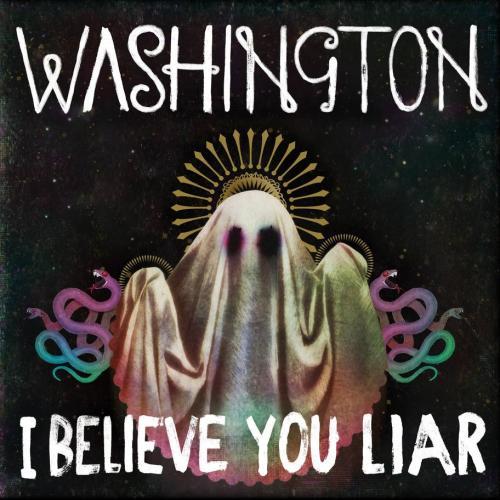
 View Artist