Song Meaning
The lyrics present a fragmented, almost chaotic, view of the narrator's "heart," not as a singular emotional core, but as a collection of disparate, often contradictory, performances and intentions. The opening lines list a series of scenarios for a "heart" – to shock the world, to embarrass oneself, to be alone, to be close to someone, to annoy a neighbor, to drive fast, to be easily understood, or to be so bad it's ignored. This immediately establishes a sense of multiplicity and a lack of a stable, unified self.
The central tension arises from the stark contrast between this fragmented, performative self and the single, declarative statement: "Mein Herz ist schwarz wie deine Coca-Cola." This line, repeated for emphasis, suggests a core darkness or corruption that underlies all these varied outward expressions. The comparison to Coca-Cola, a ubiquitous, mass-produced, and artificially sweetened beverage, implies that this darkness is perhaps mundane, commercialized, and even deceptively appealing, rather than a grand, tragic flaw.
The second stanza continues this theme of varied, often superficial, purposes for the "heart." It's used for money, for show, with low standards, mistaken for something else, slowly appreciated, for accolades, leading to arrogance, partially stolen, and even used to fund a lavish outfit. The constant listing of different types of "hearts" or their functions reinforces the idea that the narrator's emotional or authentic self is not a singular entity but a series of calculated or compromised actions, each serving a specific, often shallow, purpose.
Ultimately, the effectiveness of these lyrics lies in their relentless cataloging of external-facing "hearts" that ultimately point to an internal void or a corrupted core. The mundane, almost absurd, comparison to Coca-Cola grounds the darkness in a relatable, everyday context, making the narrator's self-assessment feel both specific and unsettling. The final, tacked-on English phrase, "You can't beat the feeling," adds a layer of ironic detachment, as if acknowledging the perverse satisfaction derived from this complex, compromised existence.
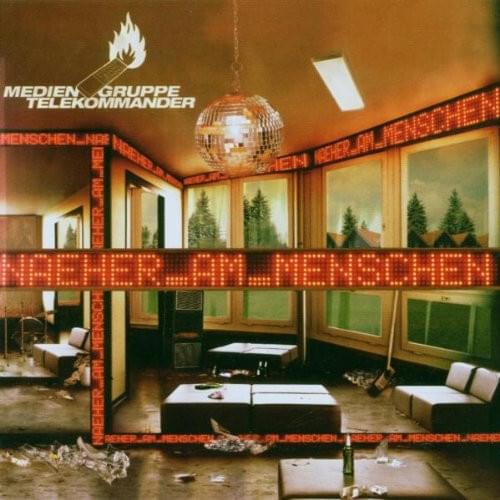
 View Artist