Song Meaning
The lyrics paint a picture of a chance encounter during a rainstorm, where a fleeting connection offers a glimmer of hope. The narrator is walking alone in the falling night, a scene underscored by the literal rain and a sense of isolation. This solitude is broken when a voice calls their name, and a figure appears, described as "shining" and "staring through the screen," suggesting a powerful, almost ethereal presence that cuts through the gloom.
The core tension lies in the contrast between the brief, intense connection and the immediate return to loneliness. The encounter is marked by a direct gaze and a promise: "you said that you'd get me by and by." This hopeful phrase, however, is immediately followed by the stark repetition of "Alone again, out in the rain," emphasizing the ephemeral nature of the relief and the persistent reality of isolation. The narrator's struggle is further highlighted by the line, "Don't you know I was trying to lose my shadow?" indicating a deeper internal battle with their own solitude or past.
The most striking craft element is the recurring imagery of light and rain, and the way the narrator perceives the other person. The "light was shining" while "night was falling," and the person's "eyes are shining through," creating a visual paradox that mirrors the emotional one: hope appearing in darkness. The phrase "shining and staring through the screen" is particularly intriguing, suggesting a modern, perhaps digital, element to this connection, or a sense of being observed from a distance before the face-to-face meeting. This duality makes the promise of being "gotten by and by" feel both deeply desired and potentially illusory.
Ultimately, the lyrics resonate because they capture the universal human experience of seeking connection amidst loneliness, and the bittersweet feeling of a brief moment of perceived salvation. The writing effectively uses the simple, evocative imagery of rain and light to externalize the narrator's internal state. The cyclical nature of the encounter – meeting, a promise, and then alone again – powerfully conveys the fragile hope and persistent isolation that defines the narrator's situation.
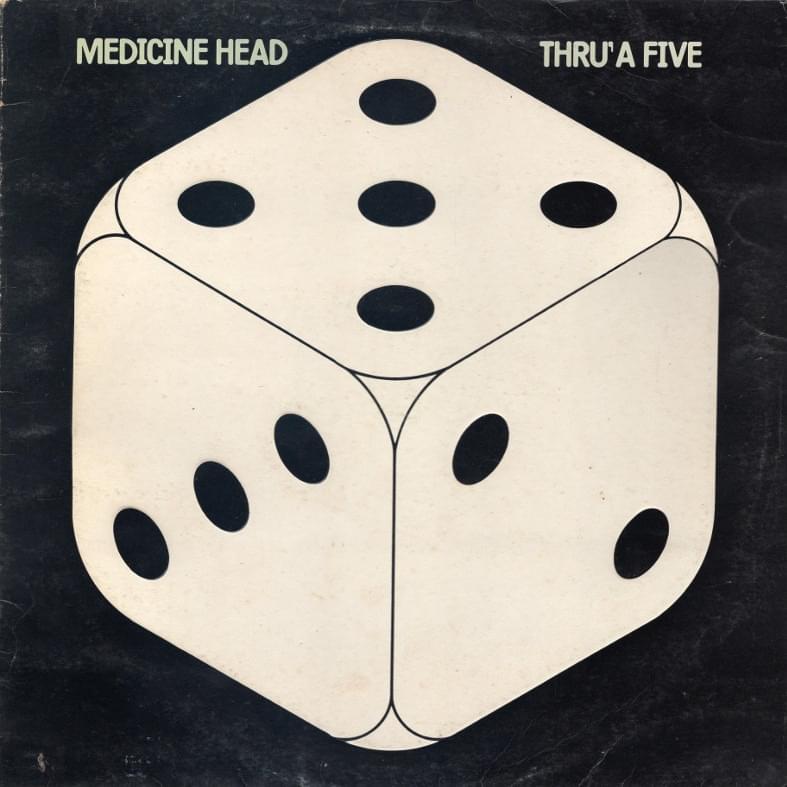
 View Artist