Song Meaning
The lyrics paint a stark picture of an all-consuming, almost parasitic relationship. The narrator is completely defined by the presence of 'Toi' (You), to the point of losing their own identity. The opening lines immediately establish this dynamic: 'Toi, sans un pourquoi' (You, without a why) and 'Toi, "embrasse-moi"' (You, "kiss me"), suggesting a one-sided, perhaps demanding, affection. The narrator, in contrast, is reduced to 'le lambeau / D'accroc de ta peau' (the scrap / Of snag of your skin), emphasizing a feeling of being tattered and attached only by a fragile, perhaps painful, connection.
The central tension lies in the narrator's complete subjugation and the destructive nature of this dependence. The imagery of 'la chaux qui / Tue, à peine humide' (lime that / Kills, barely damp) is particularly potent, likening 'Toi' to a corrosive substance that bleaches the narrator's thoughts, symbolized by 'trempant l'oreiller' (soaking the pillow) – a quiet, internal decay. This isn't a healthy love; it's an erasure.
The repeated 'Toi, toi, toi, toi' amplifies the overwhelming presence of this other person. The metaphor of riding is striking: 'Toi, tu montes en selle / Moi, monture rebelle' (You, you get in the saddle / Me, rebellious mount). Yet, the narrator's rebellion is futile, as they are ultimately bound, 'j'lèche le harnais' (I lick the harness), a gesture of forced subservience and desperation. The lines 'Toi, et sans toi, pas moi / Toi, et sans toi, plus moi' (You, and without you, not me / You, and without you, no more me) hammer home the complete loss of self, culminating in abdication and the final, stark declaration: 'Toi, toi.'
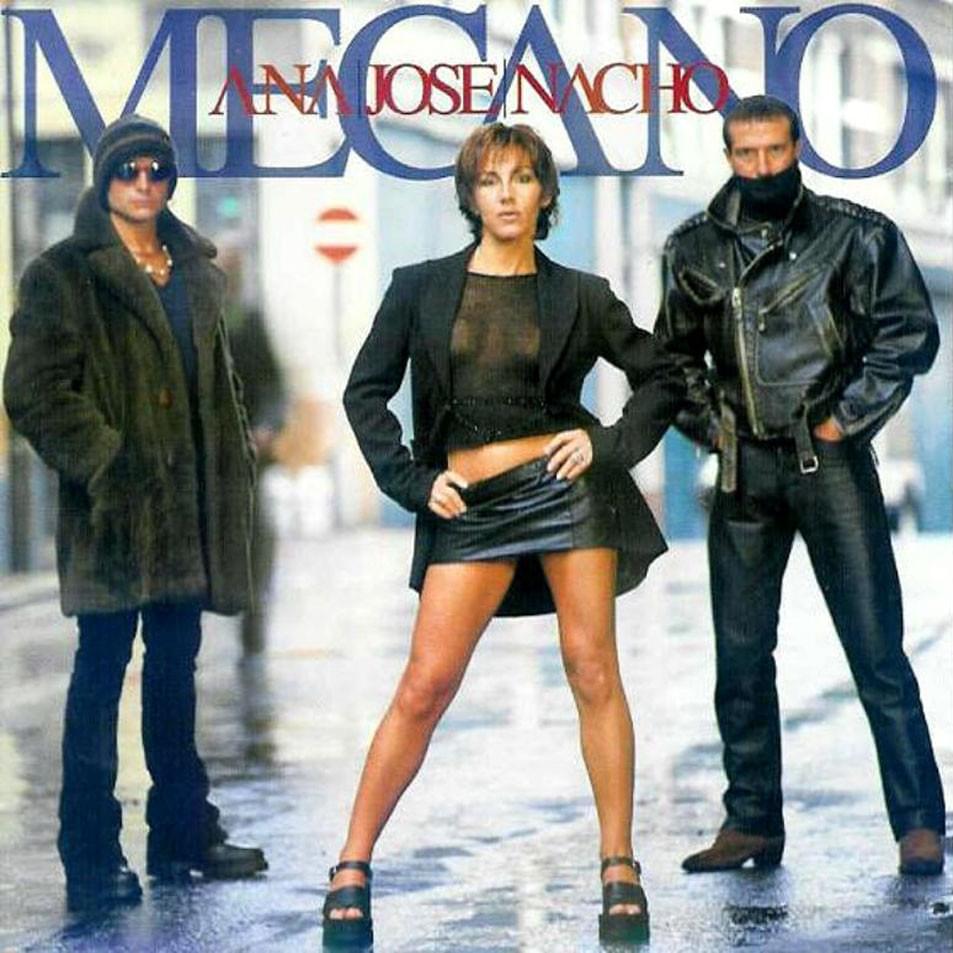
 View Artist