Song Meaning
The lyrics paint a stark picture of someone whose life has taken a turn for the worse, starting with a breakup. The narrator reassures them that their current misfortunes are "de lo más normal," a surprisingly blunt take on hardship. This initial setback, however, seems to be a catalyst for a profound internal shift, described as something "pasó en tu cabeza." The situation escalates to a point where the narrator's own living space becomes a "celda," with bars on the window, implying a self-imposed or deeply internalized confinement. The repeated refrain, "Y no tienes nada que perder; no tienes nada que ganar," underscores a sense of existential apathy or perhaps a radical freedom born from having nothing left to lose.
The central tension lies in the contrast between the narrator's perceived lack of stakes and the dramatic transformation they undergo. The imagery of the "cara de pájaro" being painted with "rayas y cuadros" by the sun and moon is particularly striking. This suggests a loss of identity or a distorted perception of self, where even natural light imposes a cage-like pattern on their face. It's a surreal, almost Sisyphean image, where the passage of time and the natural world only serve to reinforce their confinement.
The lyrics take a sharp turn towards the mythic in the final verses, where the subject becomes a "leyenda" and "héroe nacional." Statues, streets, and even a tombstone flower mark their elevation to immortality. This dramatic arc, from personal despair to national veneration, is jarringly juxtaposed with the earlier refrain of having nothing to lose or gain. It suggests that perhaps the very act of hitting rock bottom, of embracing that state of having nothing, is what allows for such a profound, almost paradoxical, ascent into legend.
This transformation, from personal desolation to public monument, is what makes these lyrics so potent. The writing doesn't shy away from the bleakness, but it uses that bleakness as a launching pad for an unexpected, almost absurd, elevation. The stark, almost detached tone, combined with surreal imagery, creates a powerful commentary on how personal tragedy can be reinterpreted, or perhaps even manufactured, into national myth, leaving the listener to question the true nature of loss and gain.
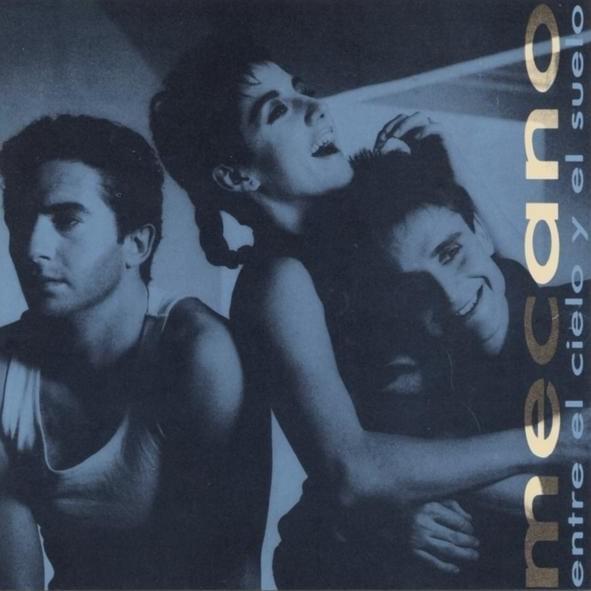
 View Artist