Song Meaning
The narrator declares herself a member of the 'slua sí,' the sídhe or fairy folk, who was taken across the sea and stolen away. She's now bound by the 'fé gheasa mná sí' – the enchantments of a fairy woman – and cannot return to the mortal world until the rooster crows. This sets up a profound sense of displacement and an imposed, unnatural existence. The lyrics paint a picture of someone fundamentally out of place, longing for an end to an enchantment that feels like a theft of her life.
The central tension lies in the narrator's forced participation in the fairy realm against her will. She states, 'Ní taithneamh liom é / Ach caithfead tabhairt fé' – 'I don't like it / But I must go through with it.' This isn't a willing embrace of her supernatural state but an obligation she must endure. The phrase 'Is a bhfuil ar an saol so / Caithfidh imeacht as' – 'And what is in this world / Must depart from it' – suggests a forced separation from the mortal world, reinforcing her exile.
The most striking aspect is the enduring sorrow tied to the natural world she's lost. Her lament is tied to the ocean: 'Ach béadsa ag caoineadh'n / Fhaid a bheidh uisce sa toinn' – 'But I will be weeping / As long as there is water in the sea.' This imagery powerfully connects her grief to the vast, eternal presence of the sea, implying her sorrow is as boundless and constant as the tides. It’s a poignant way to express a grief that transcends time and circumstance.
This lyrical construction is effective because it grounds a fantastical premise in a deeply human emotion: homesickness and sorrow. The contrast between the ethereal 'slua sí' and the very real, almost elemental pain of being unable to return creates a compelling emotional core. The narrator’s resigned but sorrowful acceptance of her fate, tied to the enduring sea, makes her plight resonate beyond the supernatural narrative.
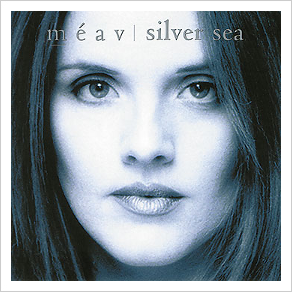
 View Artist