Song Meaning
The narrator finds themselves adrift, caught between a yearning for the sea and the suffocating reality of their current situation. They "sit by the harbor" and "hide in the water," suggesting a desire for immersion or escape, yet the immediate need "to breathe" highlights a fundamental conflict. This isn't a peaceful retreat; it's a desperate, almost drowning, attempt to find solace.
The core tension lies in the narrator's relationship with their "love," which is described as an "ocean wave." This love is powerful and overwhelming, "crashing at the bow," yet the narrator feels like a "galley slave," bound and unable to navigate its depths. The desire to "sail you" implies a longing for control or understanding, but the overwhelming nature of this love leaves them feeling trapped and helpless.
The lyrics masterfully employ nautical imagery to convey this emotional turmoil. The narrator is "run aground," a stark contrast to the expected life of a "sailor," and admits to needing "the danger" even after feeling "safe and sound." This paradox reveals a complex internal state where security feels stifling and peril offers a strange, albeit destructive, allure. The idea of wanting to "stow away" underscores a desire to escape the responsibilities and emotional weight of this overwhelming love.
Ultimately, the effectiveness of these lyrics stems from their raw depiction of emotional paralysis. The narrator is caught in a powerful, unmanageable force, represented by the "ocean wave," and their attempts to find a safe harbor or a way to navigate it only lead to further entanglement. The repeated phrase "stow away" acts as a final, desperate plea for an escape that seems impossible within the confines of their current emotional landscape.
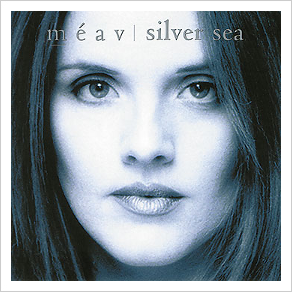
 View Artist