Song Meaning
The lyrics paint a surreal, almost dreamlike scene where a narrator grapples with a profound, self-declared connection. The opening lines establish a moment of intense introspection, a declaration of paternal identity: "A long time ago / I turned to myself and said / You, you are my daughter." This isn't a biological certainty but a perceived truth, a self-realization that solidifies into an undeniable image.
The core tension arises from this self-appointed role and the subsequent desire for dialogue. The narrator sees an "image" that is "real," confirming this daughterly bond, and immediately pivots to the need for communication: "Then maybe we've got something to talk about." This suggests a yearning for acknowledgment or understanding of this declared relationship, a bridge between internal conviction and external reality.
The imagery of "gold burns slow" and "coal camper's candles / All lost in the snow" evokes a sense of preciousness and vulnerability, perhaps hinting at the delicate nature of this connection or the difficult circumstances under which it's perceived. The bridge offers a stark contrast, a promise of unconditional comfort: "The warmth that I'm weaving / Is for you alone." This is a direct offering, a sanctuary created specifically for this declared daughter.
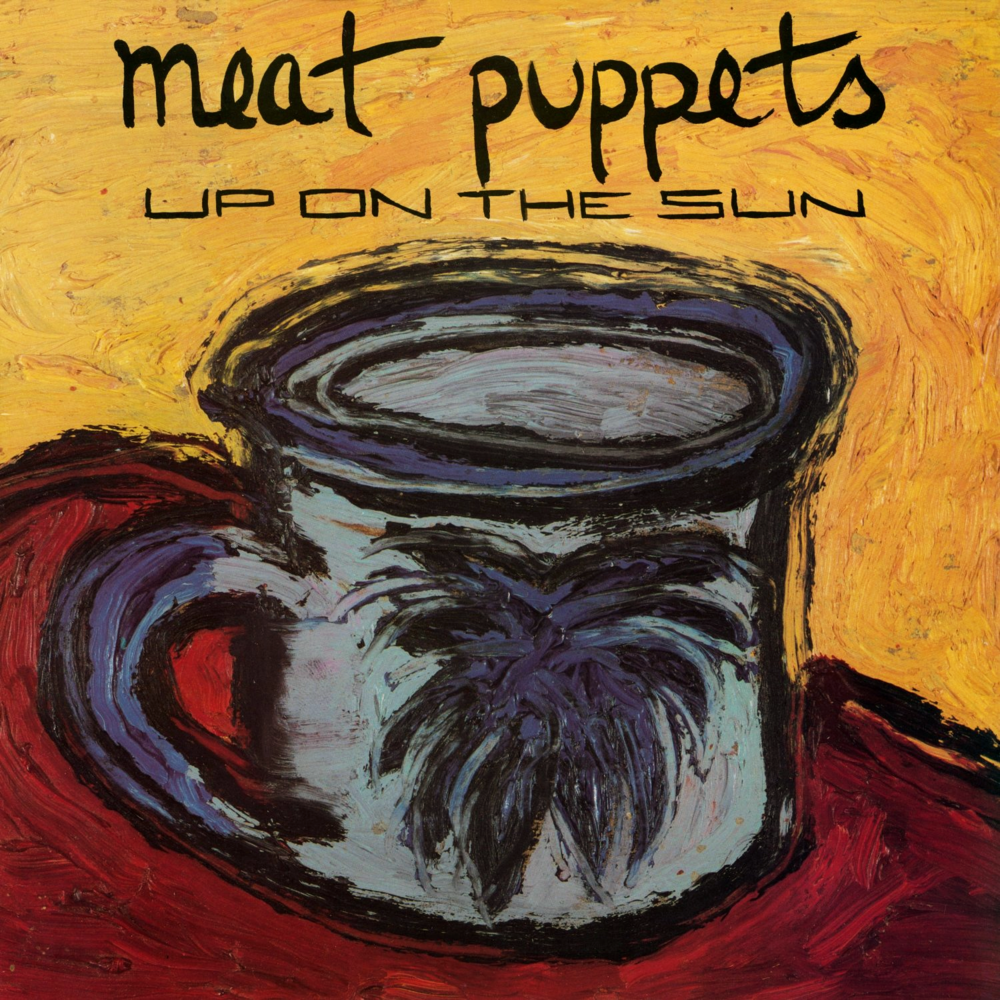
The chorus presents an idealized, paradoxical landscape: "Up on the sun / Where it never rains or snows." This is a place of perpetual, unchanging warmth, yet it contains an "ocean / With a wind that never blows"—a stillness that is both vast and inert. The narrator suggests that closer inspection reveals "finer points," hinting that this seemingly perfect, static existence holds subtle complexities, much like the narrator's own declared paternal role.
 View Artist