Song Meaning
The narrator is drowning in regret and longing after a breakup, fixated on a past love that now feels like a phantom limb. The opening lines immediately establish a sense of profound loss, with the "sun don't shine anymore" serving as a stark metaphor for the absence of joy and warmth. This isn't just sadness; it's a complete dimming of the world, directly attributed to the departed lover. The narrator acknowledges past "blindness," suggesting a realization that the relationship's value was only apparent in its absence.
The central tension lies in the painful contrast between the idealized past and the desolate present. The chorus hammers home the idea of constant devotion: "Every single day you were my sweetheart." This repetition emphasizes the depth and consistency of the narrator's feelings, making the current separation feel like a cruel cosmic joke. The plea to "find the secret key to my door" is a desperate, almost childlike request for reconciliation, highlighting the narrator's helplessness and the perceived inaccessibility of their former partner.
The lyrics employ a direct, almost pleading tone, eschewing complex metaphors for raw emotional expression. The repeated phrase "without you" in the bridge amplifies the feeling of emptiness, listing a cascade of negative emotions – "alone, cold, sad and low." This directness, while simple, makes the narrator's pain palpable. The narrator's desire to be the lover's "only dream" reveals a deep-seated need for validation and a hope that their significance hasn't faded entirely.
Ultimately, the effectiveness of these lyrics stems from their unvarnished portrayal of heartbreak. The narrator isn't trying to be cool or detached; they are laying bare their vulnerability and obsession. The constant return to the chorus, like a recurring ache, reinforces the inescapable nature of their longing. It captures that specific, agonizing phase of a breakup where the past feels more real than the present, and the future seems impossibly bleak without the person who once defined it.
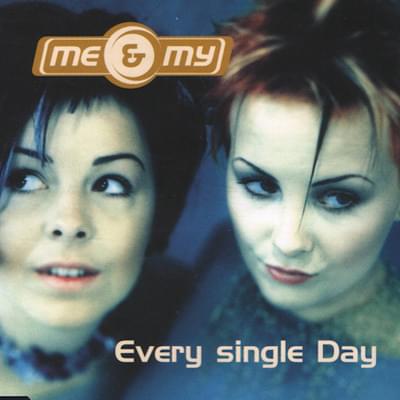
 View Artist