Song Meaning
The lyrics paint a picture of a specific, perhaps unremarkable, urban environment, contrasted with a defiant personal attitude. The narrator acknowledges the physical markers of a place, like "Finnish houses" and street signs pointing to "Piter," but insists that the true essence of where they lived remains unseen by outsiders. This sets up an immediate tension: a place that is both tangible and hidden, ordinary yet imbued with personal significance. The narrator dismisses external judgment and sadness, declaring their own year as someone else's "hell" and expressing no pride in it, immediately establishing a confrontational stance.
The core conflict emerges from the narrator's assertion of personal ambition against perceived mediocrity and external criticism. They claim their own meaning is rooted in "ambitions," a stark contrast to the fading "meaning" of others. This drive is presented as a "stimulus to fight," implying a struggle against limitations, whether self-imposed or societal. The lyrics suggest a disdain for those who are easily judged or dismissed, comparing them to "migrants in the Emirates" being overlooked, and questioning the authority of any "judges" who might misinterpret the situation. The focus is clearly on the narrator's internal battle and their perception of others' weaknesses.
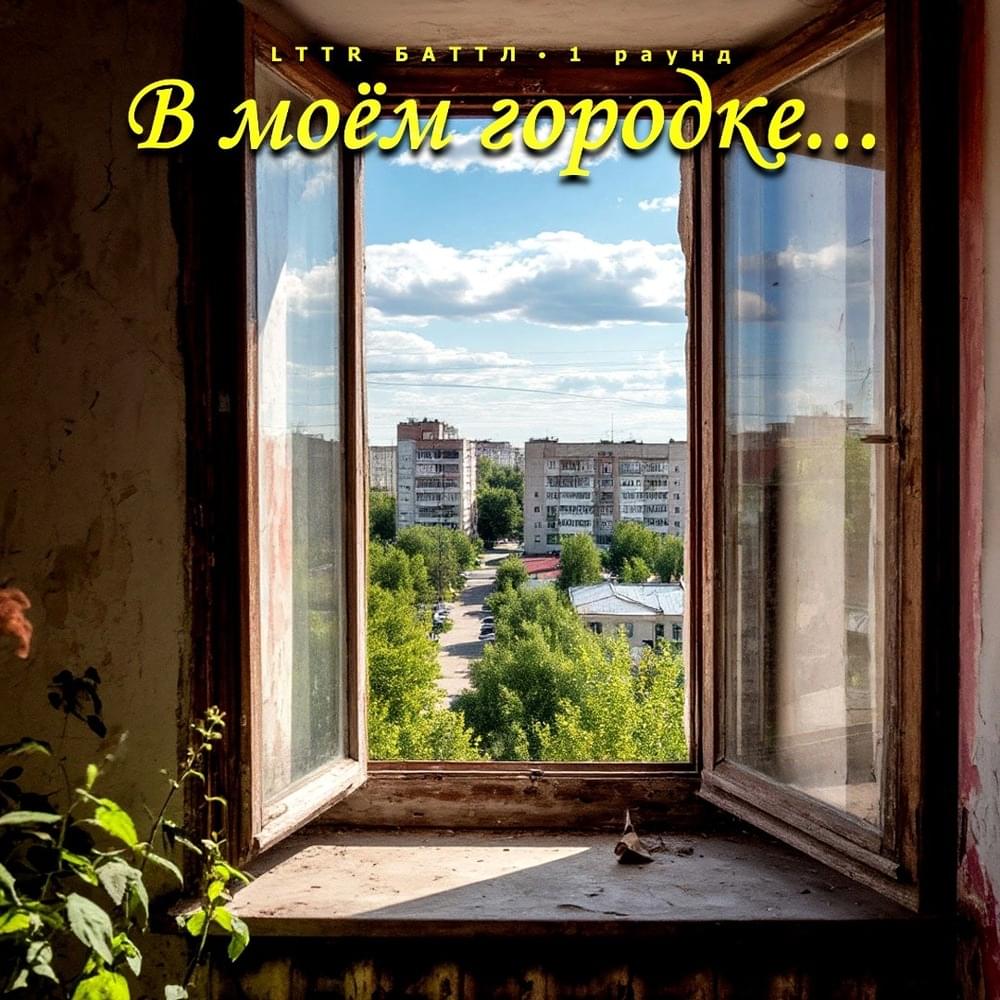
A striking element is the narrator's shifting portrayal of their hometown. Initially, they declare "In my city everything is magnificent," claiming not to have seen poverty despite numbered streets. They describe a scene with "branches behind" and "five-story buildings" being illuminated in summer. However, this idyllic image is quickly undercut by a list of specific flaws: a small district, few courtyards, dirt, and remnants of a burned-down bathhouse and demolished playgrounds. This rapid pivot from praise to critique, only to conclude with "Actually, everything is fine," creates a complex emotional landscape. It suggests a deep-seated ambivalence, a defense mechanism, or perhaps a way of asserting control over the narrative of their environment.
Ultimately, the effectiveness of these lyrics lies in their raw, almost aggressive self-assertion and the nuanced portrayal of place. The narrator uses sharp, sometimes crude language to carve out their own space and meaning, pushing back against external definitions. The juxtaposition of grand claims with specific, mundane details, followed by a sudden retraction, creates a compelling portrait of someone grappling with their identity and surroundings. It’s this blend of defiance, vulnerability, and a peculiar form of local pride that makes the narrator’s perspective so potent.
 View Artist