Song Meaning
The lyrics paint a picture of someone observing a person who identifies strongly with a hyper-masculine group, questioning their ability to navigate life this way. The narrator sees a lifestyle centered on "fistfights and stuff like that," "screamin' tires," and "throwin' beer cans," a world that seems performative and aggressive. This "one of the guys" persona is characterized by a selective embrace of culture, enjoying "Stones and the Beatles" but rejecting "long hair," suggesting a need to conform to a narrow definition of masculinity. The narrator's opening refrain, "I don't see how you survive, yeah," immediately establishes a tone of bewildered concern.
The core tension arises from a clash of realities and coping mechanisms. When faced with the unfamiliar or challenging, the "one of the guys" character resorts to an "ostrich bit," burying their head in the sand rather than confronting it. This avoidance is directly linked to an inability to accept the narrator's "brand of reality," leading to a defensive reaction. The lyrics explicitly state, "Don't try to erase our differences / By usin' your fists on me," highlighting a physical and emotional response to perceived threats to their identity or worldview.
The most striking craft element is the repeated, almost chanted, phrase "Bein' one of the guys." This repetition underscores the perceived rigidity and all-consuming nature of this identity, making it sound less like a choice and more like an inescapable condition. The contrast between the boisterous, externalized actions of the group and the internal ostrich-like avoidance when faced with complexity is stark. It suggests a persona built on outward bravado that crumbles when confronted with genuine emotional or intellectual challenges.
Ultimately, the effectiveness of these lyrics lies in their sharp, observational critique of a specific social performance. The narrator's bewilderment and direct challenge to the aggressive coping mechanisms create a sense of unease about the sustainability of such an identity. The writing forces the listener to consider the cost of rigidly adhering to a group's narrow expectations, especially when it leads to conflict and an inability to accept differing perspectives.
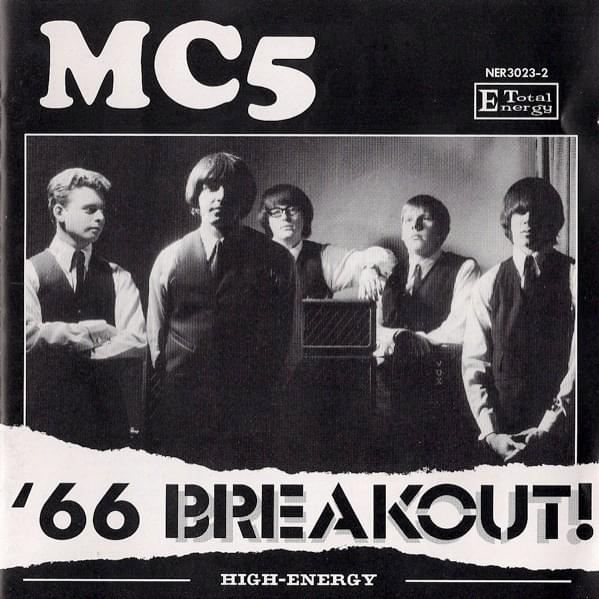
 View Artist