Song Meaning
The lyrics paint a picture of a woman, Maria, who breaks free from societal constraints and traditional expectations. She abandons her home, family, and religious customs, trading comfort for something more substantial, represented by "peso de ferro" (weight of iron). This transformation is profound, moving from just "Maria" to "Maria Bonita," suggesting a newfound strength and self-definition that transcends her previous life.
The central tension lies in Maria's radical departure and her subsequent call to action. The repeated refrain, "Acorda Maria Bonita, no amor ou na guerra" (Wake up Maria Bonita, in love or in war), positions her as a figure ready for any challenge. The instruction to "Vai pra janela!" (Go to the window!) implies an active stance, observing and engaging with the world rather than passively accepting it.
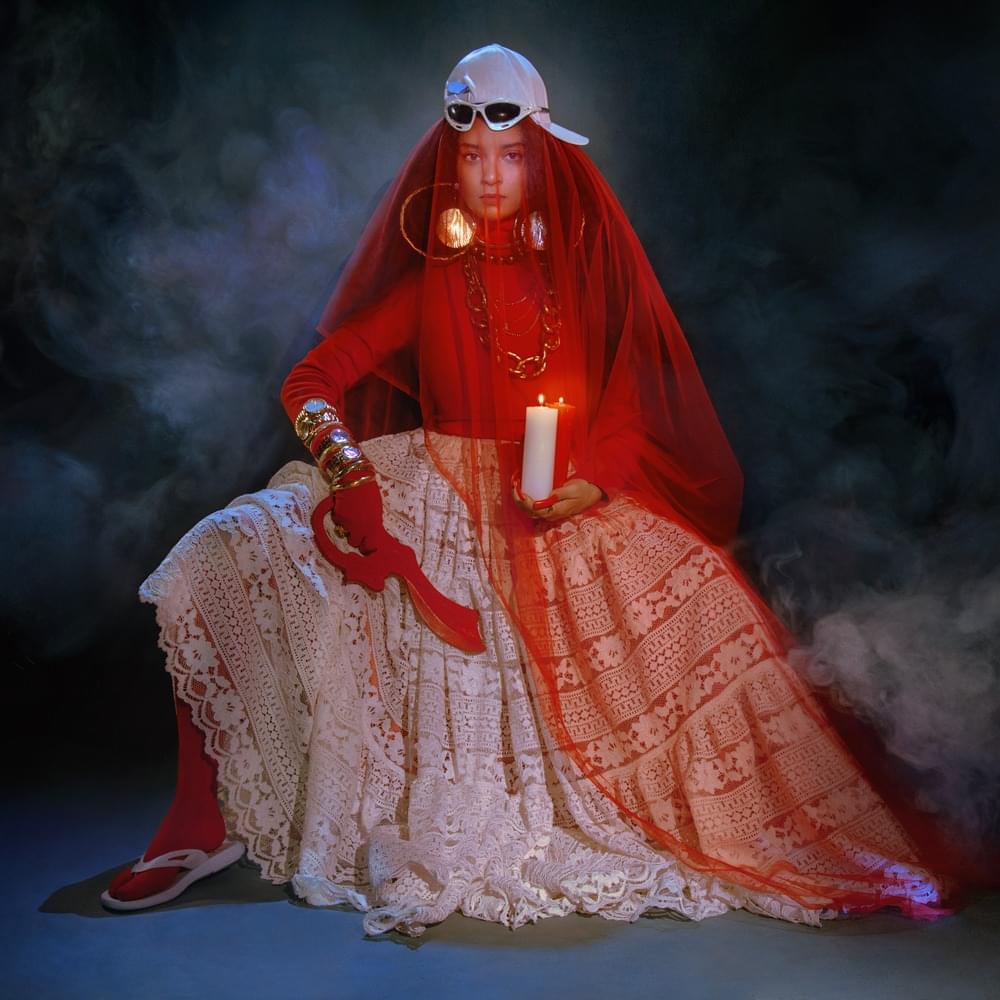
The writing employs a powerful contrast between the life Maria leaves behind – "casa, família, costumes" (house, family, customs) and "Santo e benção no altar" (Saint and blessing at the altar) – and the fierce independence she embraces. This is further emphasized by the direct commands in the second verse: "Não se deite na trilha dos gados" (Don't lie down on the cattle trail) and "Não se prenda na mesa" (Don't be tied to the table). The imagery of a "punhal na mão" (dagger in hand) and "Malicia no coração" (malice in the heart) underscores her readiness to fight for her new existence.
This song resonates because it captures a visceral sense of liberation and empowerment. It’s not just about leaving; it's about waking up to a more potent, self-directed life, whether that path leads to love or conflict. The lyrics suggest that true living involves subverting expectations and embracing a fierce, unyielding spirit, making Maria Bonita a potent archetype of defiant self-actualization.
 View Artist