Song Meaning
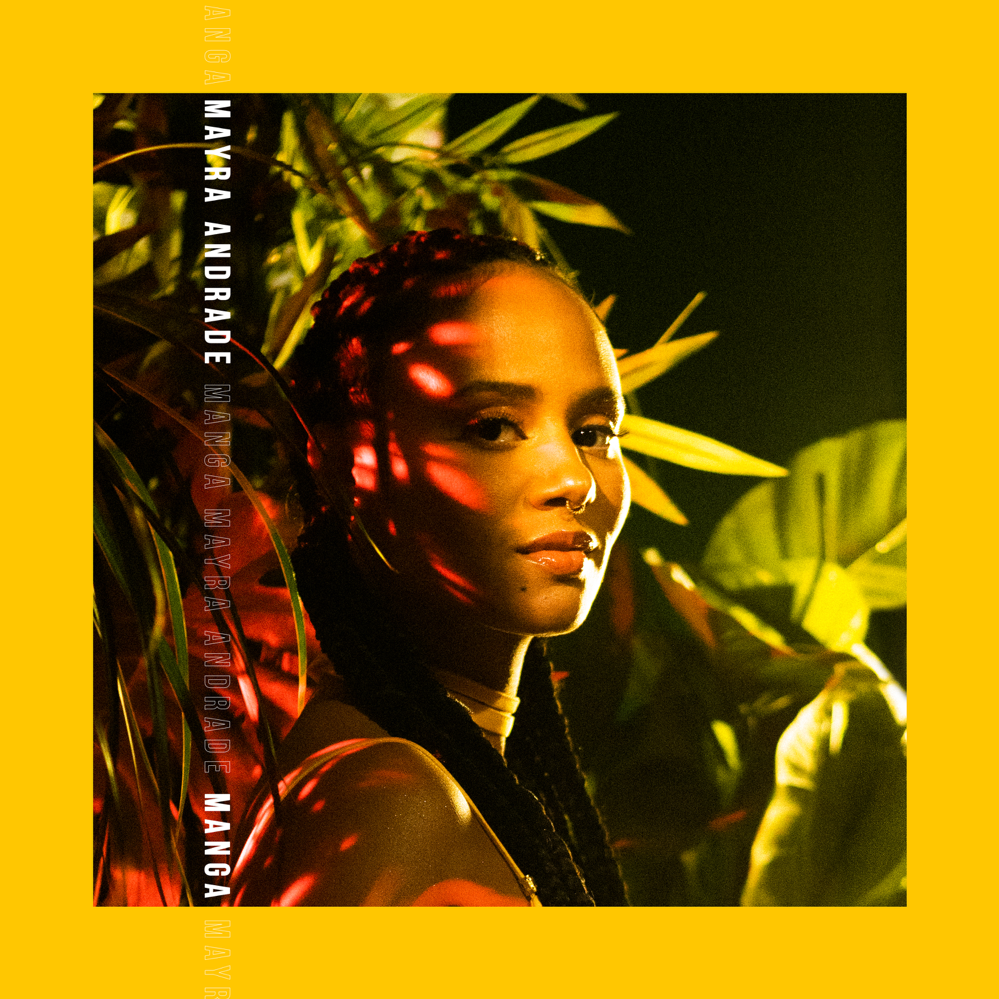
Mayra Andrade's "Pull Up" isn't just a catchy tune; it's a vibrant declaration of self-ownership in the face of relentless external pressures. The lyrics, sung in Cape Verdean Creole, immediately establish a theme of contradiction and imposed identity. Andrade sings, "Hora ki n'fla amarelo, Es ta fla kuza é ka si" (When I say yellow, they say that's not it), highlighting the frustration of having one's perceptions and choices constantly undermined by others' opinions. It's a universal sentiment, resonating with anyone who's felt the weight of societal expectations or the sting of unsolicited advice. The chorus, a repetitive "Pull Up," acts almost as a mantra – a defiant act of pulling oneself up and away from the negativity and judgment. It's a sonic assertion of presence and autonomy.
The second verse delves deeper into the singer's desire for authenticity. Andrade yearns to be accepted for who she truly is: "Nhos dexan livre pan ser, Kel ki realmenti mi é" (Let me be free to be, who I really am). The lines paint a complex portrait of identity, embracing contradictions like "doci margoz di laranja" (the sweet bitterness of orange) and oscillating between strength and fragility. This nuanced self-perception stands in stark contrast to the rigid expectations imposed by others. The repetitive nature of the chorus reinforces the need for constant self-affirmation in a world that consistently tries to box individuals into predefined roles.
The third verse provides a vivid illustration of this struggle. The singer's choice of color – feeling "rosa" (pink) one day but being told "azul é midjor" (blue is better) – becomes a powerful metaphor for the pressure to conform. Even when she tries to adapt, by wearing blue, the critics are quick to shift the goalposts, demanding "lilás ki é kor" (lilac is the color). This cyclical pursuit of external validation is ultimately futile, highlighting the absurdity of trying to please everyone. The bridge, a resolute "Mi é livri, kre o bu ka kre" (I am free, whether you want it or not), serves as the ultimate act of rebellion, a reclaiming of personal agency and a rejection of the constant push and pull of outside influence. The song meaning, therefore, centers on self-determination and resistance to societal pressures.
 View Artist