Song Meaning
Mayra Andrade's "Palavra" isn't just a song; it's a layered meditation on the power, fragility, and inherent contradictions embedded within language itself. Sung in Cape Verdean Creole, the lyrics become a kaleidoscope of definitions, exploring how a single word, *palavra* (word), can shift meaning depending on context, intention, and speaker. The song acknowledges the inherent duality of language. A word can be a promise kept (“Dado é cumprido”), but also betrayal (“Faltado é falsia”). It can represent love and poetry (“D’amor é poesia”) as readily as legal authority (“De Rei é Lei”). Andrade doesn't shy away from the darker side, noting that words can be lament, weakness, or even silence used as a tool for suspicion.
The recurring line, “Di bô é simplesmente um língua na nha boca” (Yours is simply a tongue in my mouth), adds a deeply personal, almost sensual dimension. It suggests that beyond grand pronouncements and abstract concepts, language is also immediate, intimate, and physical. It highlights the difference between words spoken from the heart versus those used for manipulation or control. The song cleverly moves from broad concepts of honor and law to the visceral experience of language as a physical act.
Andrade draws on a diverse range of cultural references – Romeo and Juliet, Quixote, Buddha, Fidel – to illustrate the myriad ways in which words shape our understanding of love, madness, wisdom, and perseverance. By juxtaposing these figures, she implies that *palavra* is never neutral; it's always loaded with history, ideology, and personal significance. Ultimately, "Palavra", as a song, encourages listeners to become more conscious of the words they use and the impact they have, recognizing that language is both a powerful tool for connection and a potential source of deception. The song meaning rests on the idea that words are never simply *words*; they are vessels carrying complex emotional and social weight.
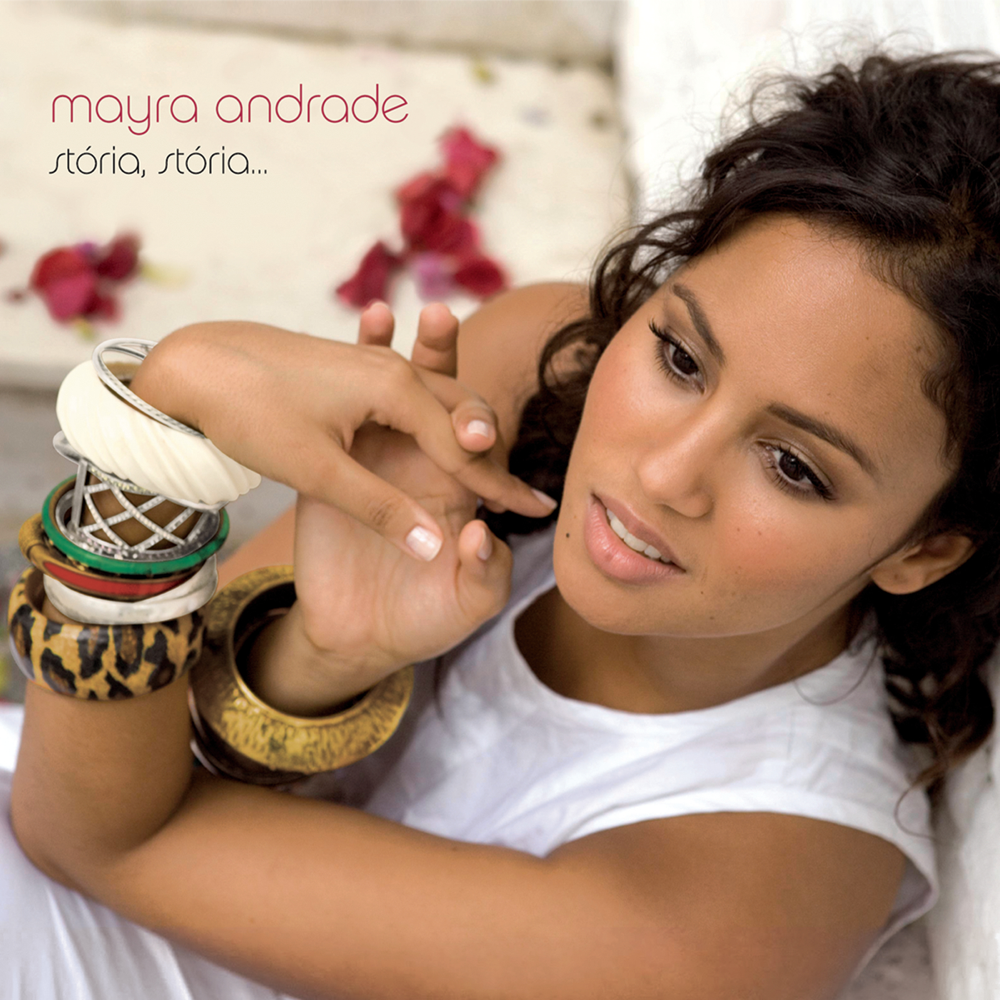
 View Artist