Song Meaning
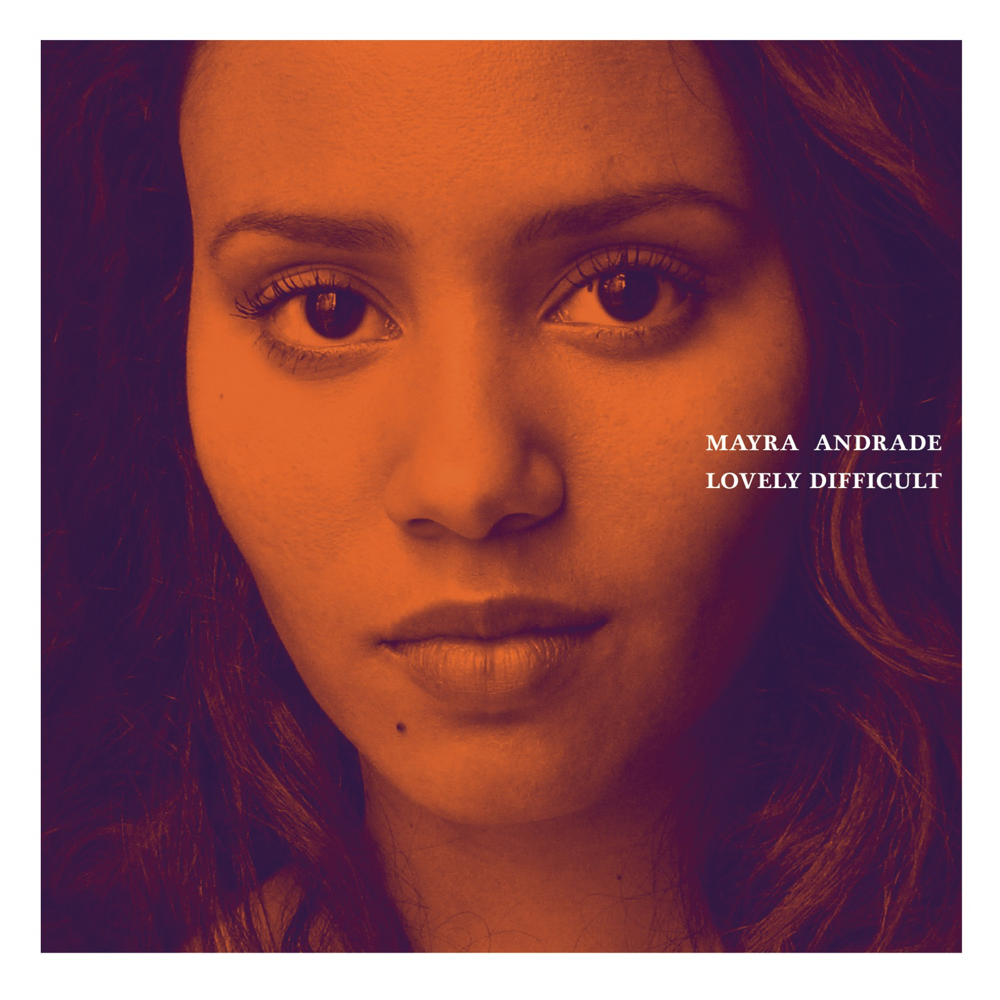
Mayra Andrade's "Les mots d'amour" isn't just a song; it's a confession whispered from the intimate corners of a wounded heart. It dissects the inherent difficulty, the near impossibility, of translating the raw, visceral experience of love into neat, palatable linguistic packages. Andrade, with a delicate yet firm hand, guides us through the minefield of romantic language, exposing its potential to inflict pain rather than offer solace. The "mots d'amour," those supposed vessels of affection, become instruments of torture, scraping the mouth, bruising the eyes, raising goosebumps of unease. They are suspect, 'louche,' capable of distorting the very sensations they aim to capture. It's a stark contrast between the idealized notion of love and the messy, often brutal reality of its aftermath.
The repeated lines, "Ça m'écorche la bouche / Me froisse les pupilles / Me hérisse, c'est louche / Les ailes et les papilles," are not merely poetic devices; they are visceral descriptions of the body's reaction to the failure of language. It suggests a deep distrust, born perhaps from past betrayals or disappointments, where promises turned to 'serments déchus' and dreams dissolved into 'rêves déçus passés.' The 'avaries du cœur' – the damages, the shipwrecks of the heart – become daily occurrences, a constant reminder of love's potential for destruction. This isn't a naive rejection of romance, but a sophisticated understanding of its inherent limitations.
The chorus, "Au bal, j'ai quelque peu de mal / Avec les mots d'amour," is the crux of the song's meaning. The 'bal,' or ball, represents the social performance of romance, the carefully choreographed dance of courtship and affection. Andrade admits her discomfort, her inability to fully participate in this charade. She's not rejecting love itself, but rather the superficial and often misleading language used to express it. She acknowledges the disconnect between the internal, deeply felt experience and the external, often inadequate, expression. The song ultimately suggests that true connection lies beyond the realm of words, in the unspoken understanding and shared vulnerability that transcends linguistic boundaries. It is a call for authenticity, a plea to feel rather than merely to speak of feeling.
 View Artist