Song Meaning
Mayra Andrade's "Dispidida" isn't just a farewell; it's a raw, unflinching autopsy of a departure, steeped in the bittersweet aftertaste of Cape Verdean saudade. The opening lines, heavy with the weight of 'katorzi' (fourteen) journeys already taken, set the stage for a deeply personal reckoning. This isn't a clean break; it's the messy, internal negotiation with lingering pain – a pain the singer acknowledges she actively sought, yet now finds unbearable. Andrade captures the disorienting effect of this emotional burden, describing how it makes her head spin, how past scars are 'karapati ta fasê-m falsiâ' (making me falter). It's a vivid portrayal of trauma's persistent echo.
The chorus offers a glimmer of forward momentum, a mantra to 'bai gó' (go now). The imagery of planting seeds elsewhere – 'rinka midju na otu lugár' (plant corn in another place) – suggests a resilient spirit seeking fertile ground after a period of emotional drought. Yet, even in this act of self-preservation, the 'busu busu si si nau' (kisses kisses yes yes no) hints at the inherent ambivalence of goodbyes, the push and pull between wanting to leave and the lingering attachment. The central question of the song meaning becomes: can one truly escape the patterns of the past?
The latter verses delve into the frustrating cycle of unintended consequences and unfulfilled intentions. 'Tiru ta sai albés pa kulátra' (the shot sometimes comes out backwards) is a powerful metaphor for actions backfiring, for the gap between aspiration and reality. There's a sense of being molded by external forces – 'dádu sima m-obi sima m-fládu' (given as I heard as I was told) – suggesting a loss of agency. The final line, comparing the experience to 'xikotáda sima flor di midju kankaram' (whipped like withered corn flowers), is a devastating image of vulnerability and brokenness. Andrade doesn't offer easy answers or tidy resolutions. Instead, "Dispidida" leaves us with the lingering questions and the haunting beauty of a soul grappling with its own history.
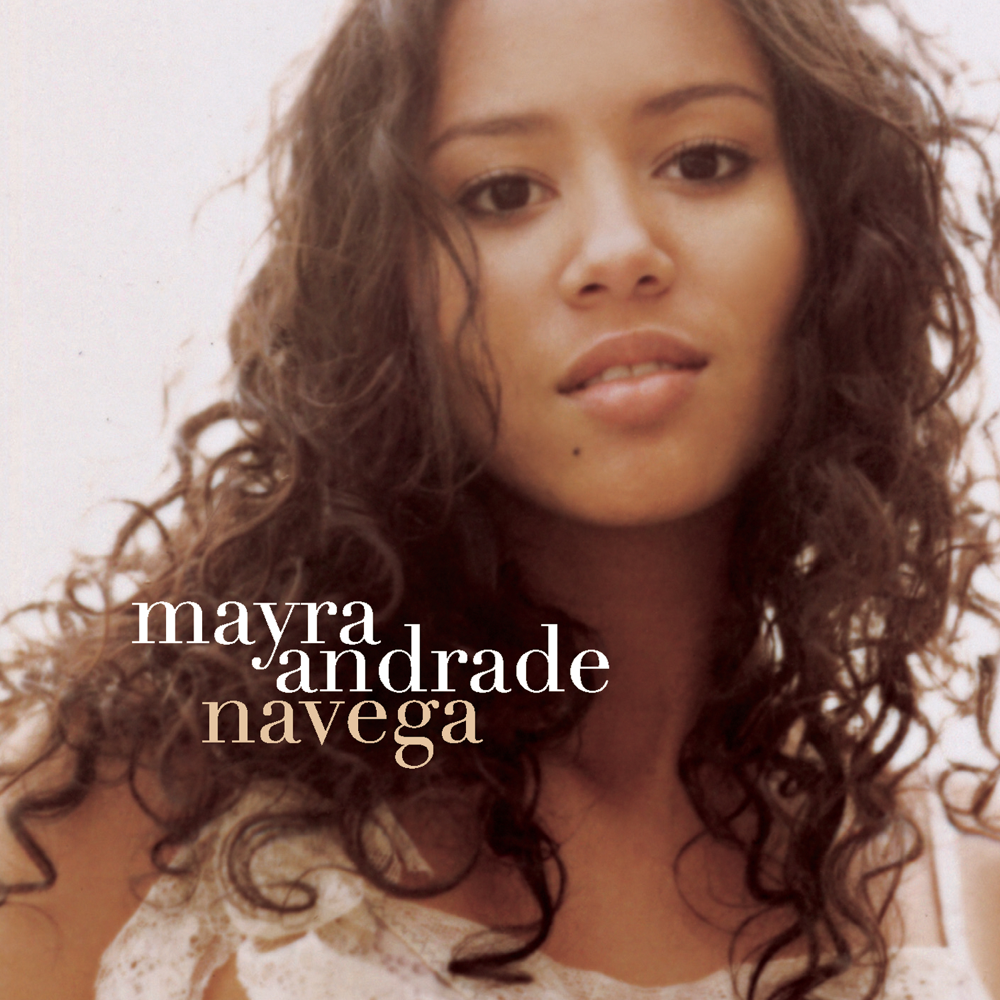
 View Artist