Song Meaning
The lyrics paint a stark picture of profound despair and a desperate search for an escape, a "laughing place" that feels impossibly distant. The opening prayer, asking for the dead to be revived, immediately establishes a deep connection to loss and a yearning for what's gone. This isn't just sadness; it's a weariness with life itself, a feeling of being adrift without anchor, constantly struggling just to endure the passage of time. The narrator feels like a ghost already, a hollowed-out traveler worn thin by the weight of memories and a life that feels more like a slow, inevitable decline towards an end.
The central tension lies in the narrator's self-imposed isolation and the guilt that accompanies it. There's a clear distinction made between personal suffering and the expectation of external sympathy: "But I'll be damned if you weep for me." This suggests a complex internal struggle, perhaps a belief that their own pain is too profound or too self-inflicted to warrant pity from others. The guilt is palpable when the narrator addresses another figure, confessing to having made them "hopeless" and to paying for "my sins," leading to their "you" to "fall from grace." This implies a destructive impact on someone else, amplifying the narrator's own sense of being beyond redemption.
The most striking aspect of the writing is the stark, almost nihilistic imagery used to describe the narrator's state. Phrases like "I'm already dead, I just yet made it to the grave" and "A ghost at most" convey an extreme detachment from life, a feeling of already having passed through existence without truly living. The contrast between the desired "laughing place" and the reality of being "Held up on the outside of a broken town" highlights the futility of their quest. The repeated phrase "And now you've fallen from grace" acts as a heavy, almost liturgical refrain, underscoring the irreversible nature of the perceived downfall, both for the narrator and the one they've impacted.
This writing hits hard because it articulates a profound sense of existential exhaustion and the crushing weight of personal responsibility for another's ruin. The raw, unvarnished language avoids platitudes, instead leaning into bleak, visceral descriptions of a spirit already broken. The narrator's plea for an end, coupled with the confession of causing another's fall, creates a powerful, almost unbearable portrait of despair that resonates with the darkest corners of human experience.
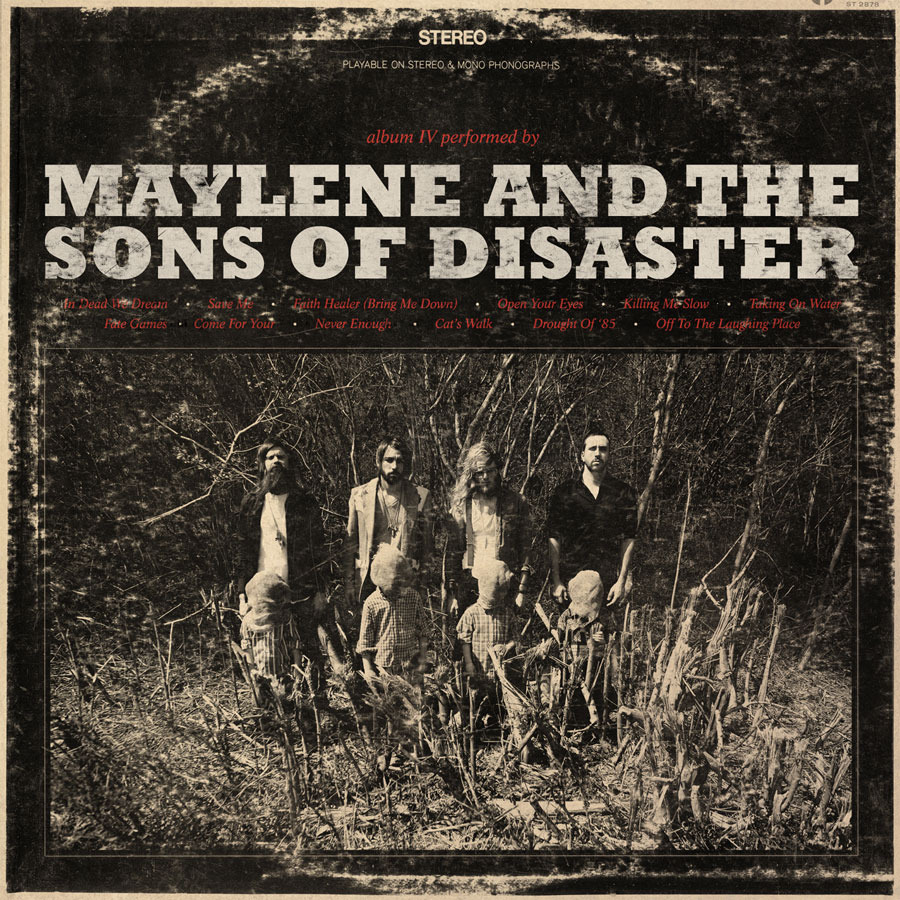
 View Artist