Song Meaning
Mayer Hawthorne's "Deuce and a Quarter" presents a sonic paradox: a title dripping with vintage Americana – evoking images of Buick land yachts and cruising down Woodward Avenue – juxtaposed against a lyrical sparseness that borders on the absurd. The repetition of "Hawthorne rides again / Yeah he rides / Yeah he rides" creates a hypnotic, almost mantra-like effect, stripping away any concrete narrative and leaving us with pure, unadulterated vibe. Is this a sly commentary on the hollowness of nostalgia, where the surface appearance of an era (the "Deuce and a Quarter" itself) outweighs any deeper substance? Or is Hawthorne simply indulging in a minimalist exercise, proving that a mood can be conjured with the barest of lyrical bones?
The key to unlocking the song's meaning might lie in the tension between the title's weighty symbolism and the lyrics' featherlight presence. The "Deuce and a Quarter," slang for the Buick Electra 225, represents a specific kind of American dream: one of postwar prosperity, automotive excess, and undeniable swagger. Yet, Hawthorne reduces this potent image to a mere signifier, a hollow shell filled only with the act of "riding." This could be interpreted as a critique of our tendency to fetishize the past, to cling to surface-level representations without engaging with the complexities and contradictions that lie beneath.
Ultimately, "Deuce and a Quarter" resists easy interpretation. It's a sonic riddle wrapped in a vintage-inspired package, inviting listeners to project their own meanings onto its minimalist framework. Whether it's a meditation on nostalgia, a celebration of pure vibe, or a tongue-in-cheek commentary on the power of suggestion, Mayer Hawthorne's creation lingers in the mind long after the last echo of "rides again" fades away.
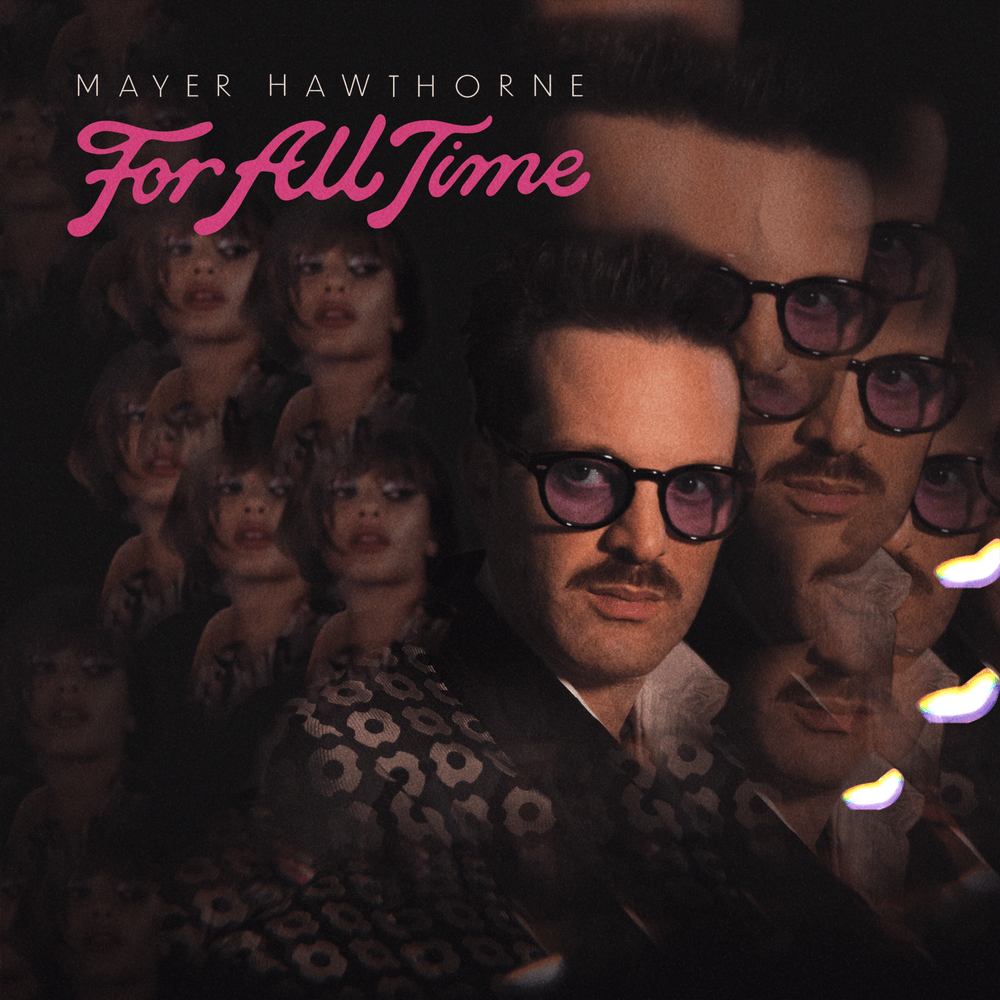
 View Artist