Song Meaning
The lyrics grapple with the quiet dissolution of a relationship, framing it not as a failure but as a deliberate, almost pragmatic choice. Oliver opens by questioning the importance of endings, immediately downplaying the pain associated with theirs: "No tears, no regret, no broken heart." This isn't a dramatic breakup; it's an amicable parting before things get messy, a conscious decision to preserve a positive memory by avoiding negative ones. The central question becomes whether this controlled, gentle separation qualifies as a "happy ending," with the narrator conceding "More or less."
Claire offers a counterpoint, emphasizing the enduring value of the shared experiences. She asserts that the "sunny afternoons" and "simple moment[s]" remain significant, their worth undiminished by the relationship's conclusion. This perspective reframes the past not as something lost, but as a collection of "luxury" experiences that shaped them. Oliver then introduces a poignant twist, wondering if falling in love without foresight is "tragic," only for Claire to firmly reject that notion, suggesting their shared past was inherently positive.
The most striking aspect is the repeated contemplation of a future reunion, particularly Oliver's line, "Sometime, when we're better at pretending." This hints at a deeper, perhaps unacknowledged, pain or a desire to mask the current reality for a future encounter. The idea of meeting "Somewhere things don't have to have an ending" suggests a yearning for an idealized, timeless connection, a stark contrast to the finite reality they are currently navigating. This carefully managed separation, while avoiding overt heartbreak, leaves a lingering sense of what might have been.
Ultimately, the effectiveness of these lyrics lies in their nuanced portrayal of a mature, albeit melancholic, parting. By focusing on the deliberate absence of typical breakup drama – "no tears, no regret" – the song highlights the emotional complexity of letting go. The final question, "Is this our maybe happy ending?" delivered with a spoken "We'll see," perfectly encapsulates the uncertainty and quiet acceptance that defines their situation, suggesting that happiness in endings is subjective and often a matter of perspective and future possibility.
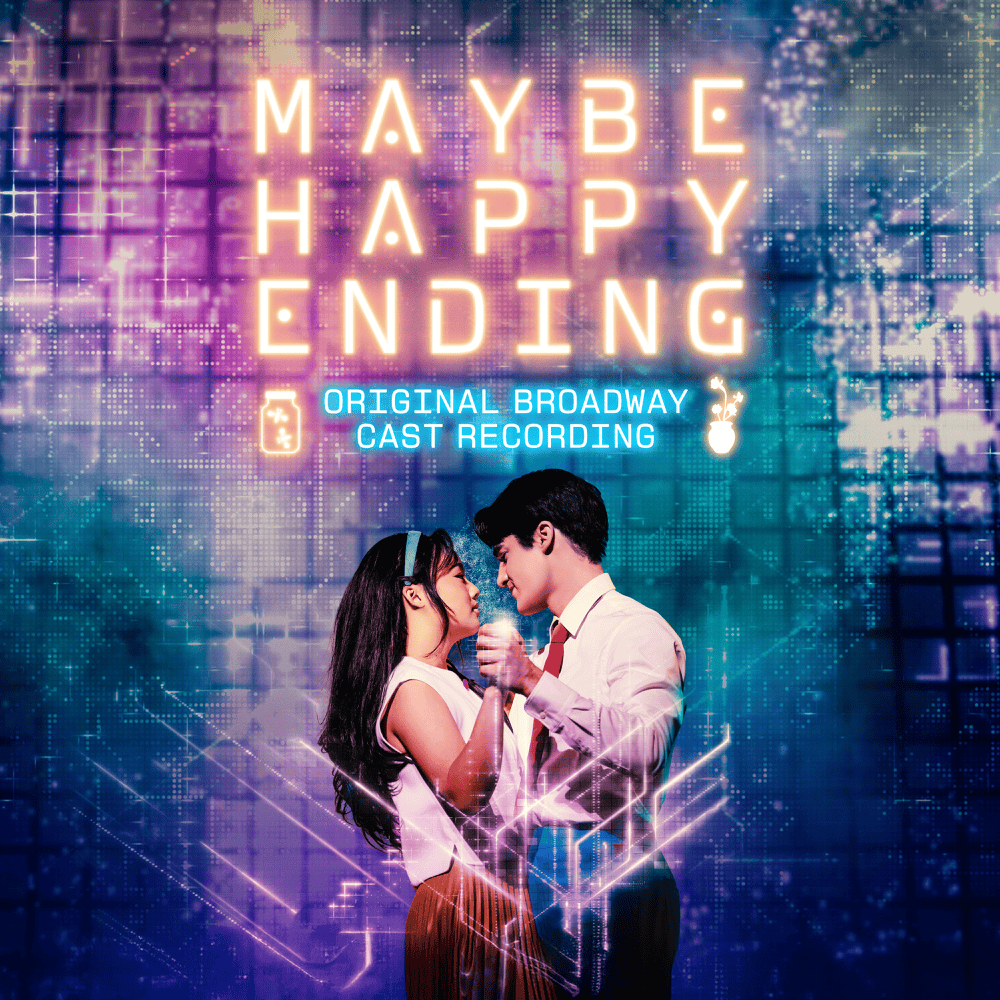
 View Artist