Song Meaning
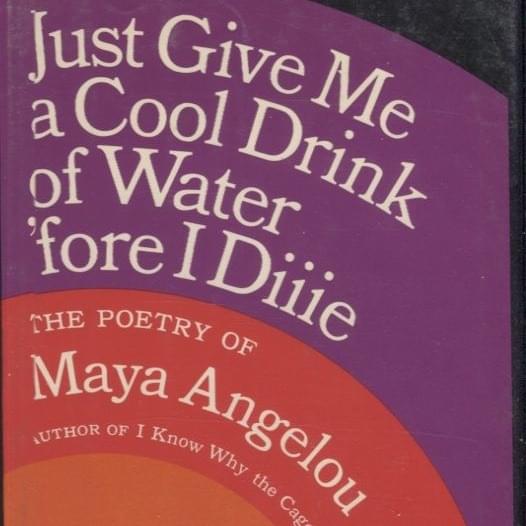
Maya Angelou’s "To a Man" isn't a song in the conventional sense, but a concentrated burst of poetic imagery, a vivid character sketch painted with words. The lyrics, more felt than explicitly stated, delve into the complexities of a Black man, not as a stereotype, but as a multifaceted individual. Angelou avoids simple praise, instead opting for a layered portrait that acknowledges both warmth and a certain guardedness. The opening lines, "Black Golden Amber / Changing," immediately establish this sense of fluidity and richness, hinting at a personality that refuses to be pinned down. He is both radiant and deeply rooted. The references to "French tobacco" and "woolen stilts" further construct a picture of refined elegance intertwined with grounded practicality. He is a man who appreciates the finer things, yet remains connected to something more fundamental.
The poem's central tension lies in the repeated questioning: "Secretive?" and the insistent reminder of his tenderness. This isn't a naive adoration; it's an observation of a man who perhaps has built walls, who may be cautious in revealing his true self. The "cat's eye" metaphor is particularly potent, suggesting a watchful intelligence and a hint of mystery. The “navy-bean sullenness” adds another layer, acknowledging a potential for melancholy or quiet contemplation. Yet, the overwhelming impression is one of underlying warmth and grace, the "gentleness / A big cat stalks through stubborn bush." This image evokes a powerful, protective nature, a tenderness that persists even in the face of adversity.
The recurring motif of "Amber" is crucial to understanding the song meaning. Amber, a substance formed over eons, encapsulates time, preservation, and a certain inner fire. Angelou describes it as "heatless fire consuming itself," a paradox that speaks to the man's self-contained nature. He is constantly evolving, "Always into itself / New. Now New. / Still itself. / Still." This suggests a journey of self-discovery, a continuous process of becoming. The final lines emphasize his enduring essence, a core identity that remains constant despite the changes he undergoes. "To a Man" is thus a celebration of Black masculinity in its beautiful complexity, a recognition of both its strength and its vulnerability.
 View Artist