Song Meaning
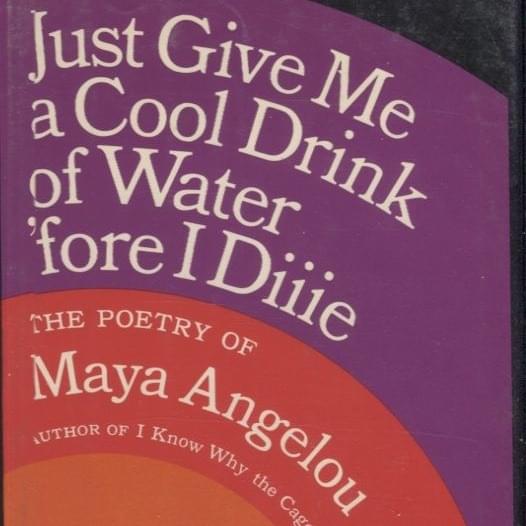
Maya Angelou's "Black Ode" isn't a song in the conventional sense, but a spoken-word poem, a concentrated burst of sensory experience and emotional reckoning. It's less about a linear narrative and more about evoking the sheer, overwhelming power of Black womanhood, a force that both disorients and heals. The poem plunges the listener into a world thick with atmosphere, where beauty manifests as a "thunder" – not a gentle breeze, but a seismic event that leaves the speaker "wandering, deafened." This initial disorientation speaks to the societal tendency to overlook or actively silence Black women, rendering their voices and experiences invisible despite their undeniable impact. The raw sensuality of the imagery, the "twilight tin-can alleys" and "moist sounds," hints at a world lived fully and without apology, a space where Black women find and create their own beauty standards. The casual, almost predatory, come-on ("OOo wee, Baby, look what you could get if your name was Willie") adds a layer of complexity, suggesting both vulnerability and a shrewd awareness of the power dynamics at play.
The second stanza shifts from a state of bewilderment to one of profound connection. "A laughter, black and streaming" suggests a joy that is both communal and deeply personal, a source of strength that allows the speaker to become "a being, rounded." This transformation occurs within the context of "Baptist aisles, so moaning," highlighting the importance of the Black church as a space of solace and resilience. The phrase "moist sounds" reappears, this time carrying a connotation of healing and renewal, like tears that cleanse and restore. The blessing offered – "Bless her heart. Take your bed and walk. You been heavy burdened" – is a testament to the transformative power of faith and community support.
Ultimately, "Black Ode," defies easy categorization. It's a celebration of Black womanhood in all its complexity, a recognition of both the burdens and the blessings. The concluding lines, "Oh, to dip your words like snuff" and "Oh, to lick your love like tears," encapsulate the speaker's yearning to fully absorb and embody the essence of this experience. "Black Ode" isn't just about seeing or hearing; it's about a visceral, almost spiritual, communion with the power and beauty of Black women. The meaning of the poem lies not in a single, definitive interpretation, but in the accumulation of sensory details and emotional resonances that create a powerful and unforgettable portrait.
 View Artist