Song Meaning
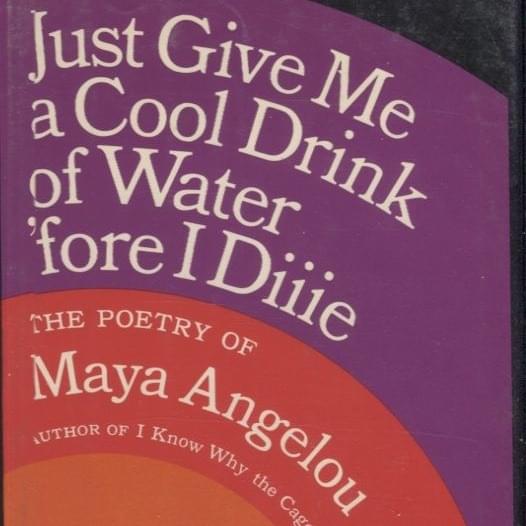
Maya Angelou's "Accident" isn't a song in the traditional sense, but a potent, distilled observation rendered in verse. Stripped of melody, the lyrics land like a series of quiet but devastating blows. The 'accident' isn't specified, but the poem evokes the jarring moment of disillusionment when a carefully constructed facade crumbles, revealing something raw and unsettling beneath. The opening lines place us in a setting of anticipated wonder ('pallet of magic,' 'brain-dust of rainbows'), a performance perhaps, or a constructed persona. But the speaker's perspective shifts, becoming acutely aware of the performer's 'grim and unkempt' state. This isn't an act of joyful creation, but something else entirely.
The core of the poem grapples with authenticity versus performance. Angelou uses vivid imagery to contrast the projected image with the underlying reality. The 'vulgarness not of living' and 'demands not from need' suggest a corruption of something genuine, a performance driven by ego or something darker than simple artistic expression. The central stanza acts as the turning point; the speaker, initially captivated, now sees with clarity. The 'colors fade and change,' indicating a loss of vibrancy and illusion. What was once enchanting is now revealed to be something else entirely.
The final lines are the most striking and arguably the most enduring. The 'blood, red dulled through the dyes' speaks to a dilution or corruption of passion and vitality. The stark 'Black-White truth' is ambiguous, yet resonant. It could refer to a simplified, binary understanding of a complex situation, or perhaps a confrontation with fundamental truths about race and identity, issues deeply intertwined with Angelou's life and work. Ultimately, "Accident" captures the disorienting experience of witnessing the collapse of an illusion and the uncomfortable truths that lie beneath. It’s a meditation on performance, authenticity, and the often-painful process of seeing things as they truly are.
 View Artist