Song Meaning
The narrator is drowning in a profound sense of self-loathing and regret, desperately seeking an escape from a world they perceive as judgmental and hypocritical. They feel exiled and ashamed, burdened by a past they can’t shake, where even simple elements like water seem to carry the weight of their perceived failures. This intense internal turmoil is palpable from the opening lines, setting a tone of deep psychological distress.
The core tension lies in the narrator's desperate attempt to reconcile with their past through a distorted lens of memory. They yearn for a "honey coloured time," a nostalgic idealization of the past, yet acknowledge that these memories are "represented by liquid," suggesting they are fleeting, perhaps even intoxicatingly deceptive. The phrase "lost so much time using sand for season" powerfully conveys a sense of wasted years, where time itself felt like an unstable, ungraspable element.
The lyrics employ striking imagery to articulate this internal conflict. The desire for a "glass that will blow my tortured mind" is a raw plea for oblivion or profound alteration, a stark contrast to the later wish to "reminisce in truly state it had good effect." This juxtaposition highlights the narrator's struggle between wanting to forget their pain and needing to find some positive meaning in their experiences. The "empty fire you're free to fill once more" suggests a lingering hope for renewal, even amidst the despair of "aging but oblivious."
Ultimately, the effectiveness of these lyrics stems from their unflinching portrayal of self-inflicted suffering and the complex relationship with memory. The narrator’s internal monologue reveals a deep-seated shame and a yearning for absolution or at least understanding, making their plea for a transformative glass or a re-evaluation of the past intensely resonant.
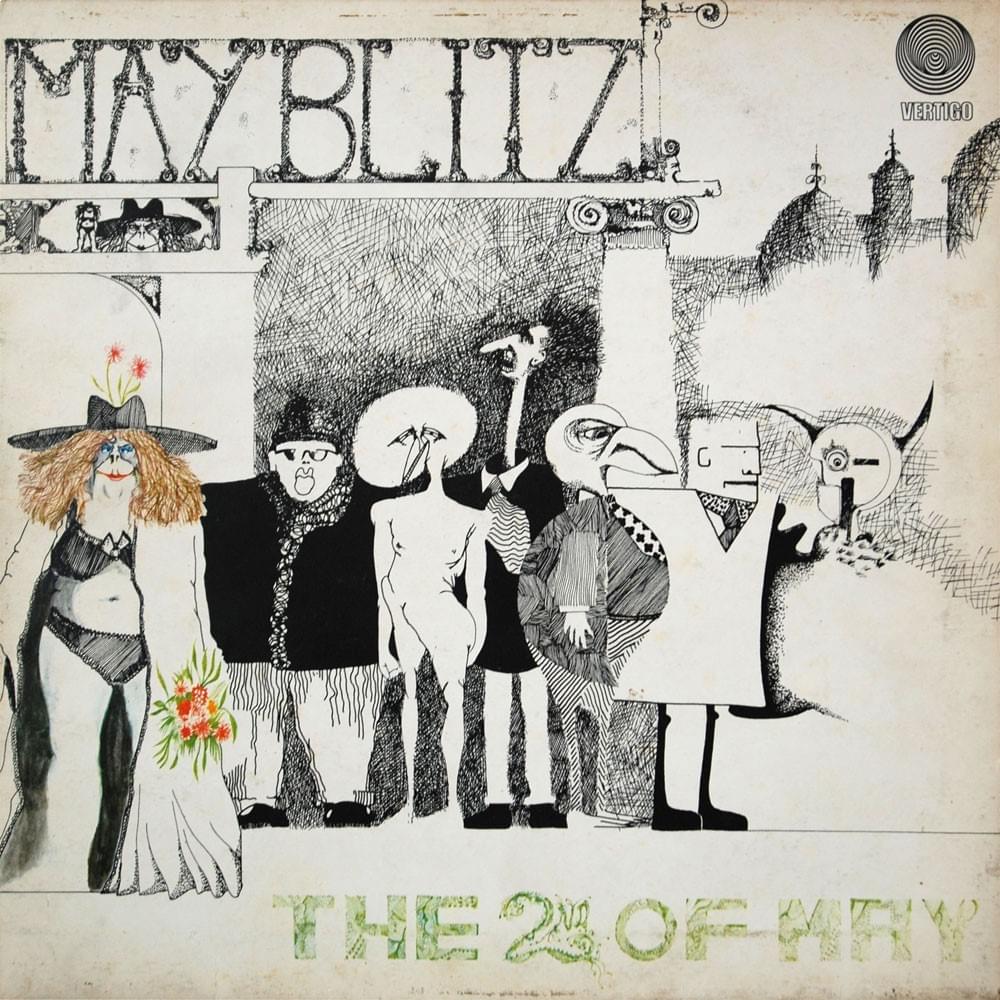
 View Artist