Song Meaning
A chance encounter with a country song in a store triggers a flood of memories and feelings for a past love. The narrator is caught off guard, realizing that a simple line, "my own Cinderella," has unearthed a deep-seated affection they thought had faded. This moment of unexpected recall highlights how certain phrases or melodies can act as potent emotional anchors, bringing dormant feelings vividly back to life. It’s a quiet, almost accidental rediscovery, emphasizing the power of external stimuli to unlock internal emotional landscapes.
The core tension lies in the narrator's struggle with doubt and the passage of time. They acknowledge that relationships can naturally evolve, fearing they might "grow on" their love, implying a potential for weariness or distance to set in. This is juxtaposed with a desperate plea for reassurance, a wish that the other person would more overtly express their commitment. The narrator needs tangible proof of affection, fearing that without it, their own faith will crumble, leading to a profound sense of loss and vulnerability, likened to a helpless two-year-old.
The most striking element is the narrator's self-comparison to a "two year old child." This stark image, invoked during a moment of existential doubt about love, powerfully conveys a sense of primal fear and helplessness. It suggests that the narrator's need for trust and reassurance isn't just about the current relationship, but taps into a deep-seated insecurity. The contrast between the adult desire for a lasting love and the infantile fear of abandonment makes the narrator's plea for trust incredibly poignant and raw.
Ultimately, these lyrics resonate because they capture the fragile nature of emotional security within relationships. The narrator’s vulnerability, amplified by the unexpected trigger of a song and the raw image of childhood fear, makes their need for trust palpable. It’s a candid admission of how easily faith can be shaken and how crucial explicit affirmation is to sustaining love, especially when confronted with the inevitable march of time.
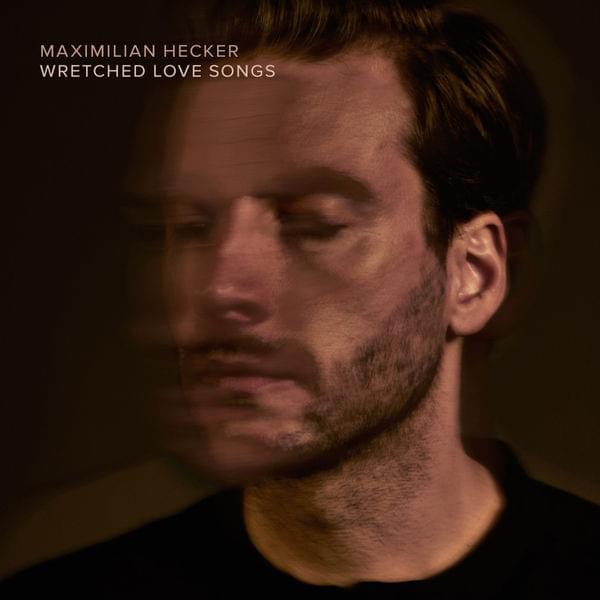
 View Artist