Song Meaning
The narrator forcefully rejects the idea of being a mere "gift," a possession to be unwrapped, displayed, or discarded at will. The opening lines immediately dismantle common gift imagery: not from a display window, not wrapped in neon paper, not stolen, not received from above. This sets a tone of defiance, establishing that the narrator’s existence and self-worth are not contingent on being given or received.
The core tension lies in the narrator’s assertion of autonomy against an implied attempt to treat them as an object. They weren't under a Christmas tree or in a stocking; they are not a passive item to be enjoyed. The repeated phrase "Je ne suis pas un cadeau" acts as a powerful refrain, hammering home the central theme of individuality and freedom from commodification. The narrator insists on their own agency, stating, "De moi qu'est ce que tu peux faire" – what can *you* do with *me*?
The lyrics employ striking imagery to underscore this point. The "griffe" (claw/scratch) etched on their skin, a "souvenir de tigresse," is presented not as a decorative logo but as an intrinsic, perhaps painful, mark of their true nature, something earned and inherent, not applied. This contrasts sharply with the superficiality of promotional items or birthday presents. Later, the narrator rejects being stored away like old belongings – "ton vieux vélo" – or traded for material gain like an "empire, une cravate ou un stylo."
Ultimately, the effectiveness of these lyrics stems from their directness and the visceral rejection of objectification. The narrator’s refusal to be defined by how they are received or by the expectations of the giver creates a potent statement of self-possession. The final lines, "A personne tu peux m'offrir / Je ne suis pas un cadeau," leave no room for misinterpretation, cementing the narrator's uncontainable and non-transferable identity.
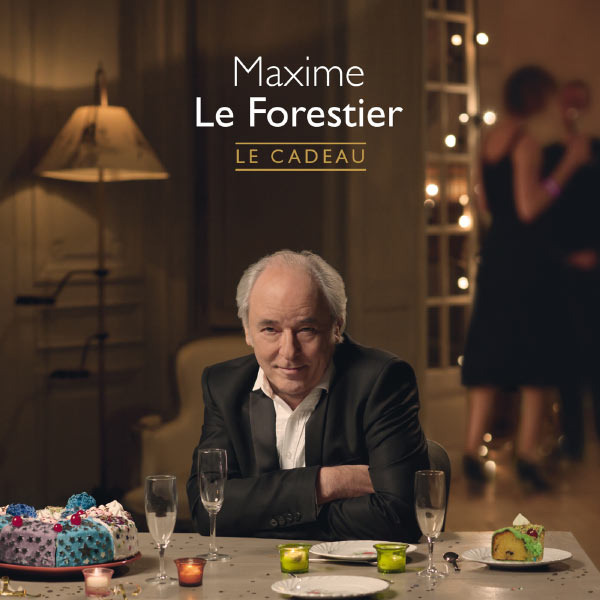
 View Artist