Song Meaning
The lyrics paint a stark picture of a relationship that's lost its spark, settling into a comfortable but uninspired routine. The narrator opens with a feeling of emptiness and physical weariness, a far cry from the passionate devotion once offered. The initial lines, "Mein Bauch ist voll, der Kopf ist leer" (My stomach is full, my head is empty), immediately establish a sense of stagnation, where basic needs are met but deeper connection is absent. This physical inertia is mirrored in the admission, "Dass ich für dich durchs Feuer geh' / Geht nicht, mir tut der Rücken weh" (That I'd go through fire for you / Is not possible, my back hurts), a blunt rejection of past romantic ideals.
The central tension lies in the stark contrast between past vitality and present decay. The narrator observes, "Wir hatten's doch gut / Doch dass wir noch verliebt sind / Sieht man uns nicht mehr an" (We had it good / But that we're still in love / One can no longer see). This disconnect is further emphasized by mundane details: a dress that's too tight, a forgotten salt shaker, and a partner who now chain-smokes instead of wearing jewelry. The once grand adventures are reduced to a failed trip to Bielefeld, highlighting a profound loss of ambition and shared experience.
The writing cleverly uses everyday observations to underscore the fading magic. The narrator notes, "Ich werde so vergesslich / In der Suppe fehlt das Salz" (I'm becoming so forgetful / The soup is missing salt), a simple domestic detail that speaks volumes about the lack of care and attention in the relationship. Similarly, the observation about the partner's hairstyle, "Doch dass dir die Frisur verflust / Das schmerzt mich sehr" (But that your hairstyle is messed up / That hurts me a lot), is a peculiar focus that suggests a superficial concern masking deeper dissatisfaction. The final lines, "Ich hab' Ringe um die Augen / Du keine Ringe an der Hand" (I have rings around my eyes / You no rings on your hand), offer a poignant visual: one partner is exhausted by the relationship's decline, while the other seems to have detached entirely, symbolized by the absence of a wedding ring.
Ultimately, the lyrics resonate because they capture the quiet tragedy of a love that hasn't ended dramatically but has simply eroded. The narrator's final admission, "Ich kann mir nicht helfen: / Ich find' dich immer noch schön" (I can't help myself: / I still find you beautiful), adds a layer of bittersweet complexity. Despite the decay and the problems, a lingering affection remains, making the situation all the more heartbreaking. It's this unresolved tenderness amidst the visible decline that makes the song's portrayal of a relationship's slow death so affecting.
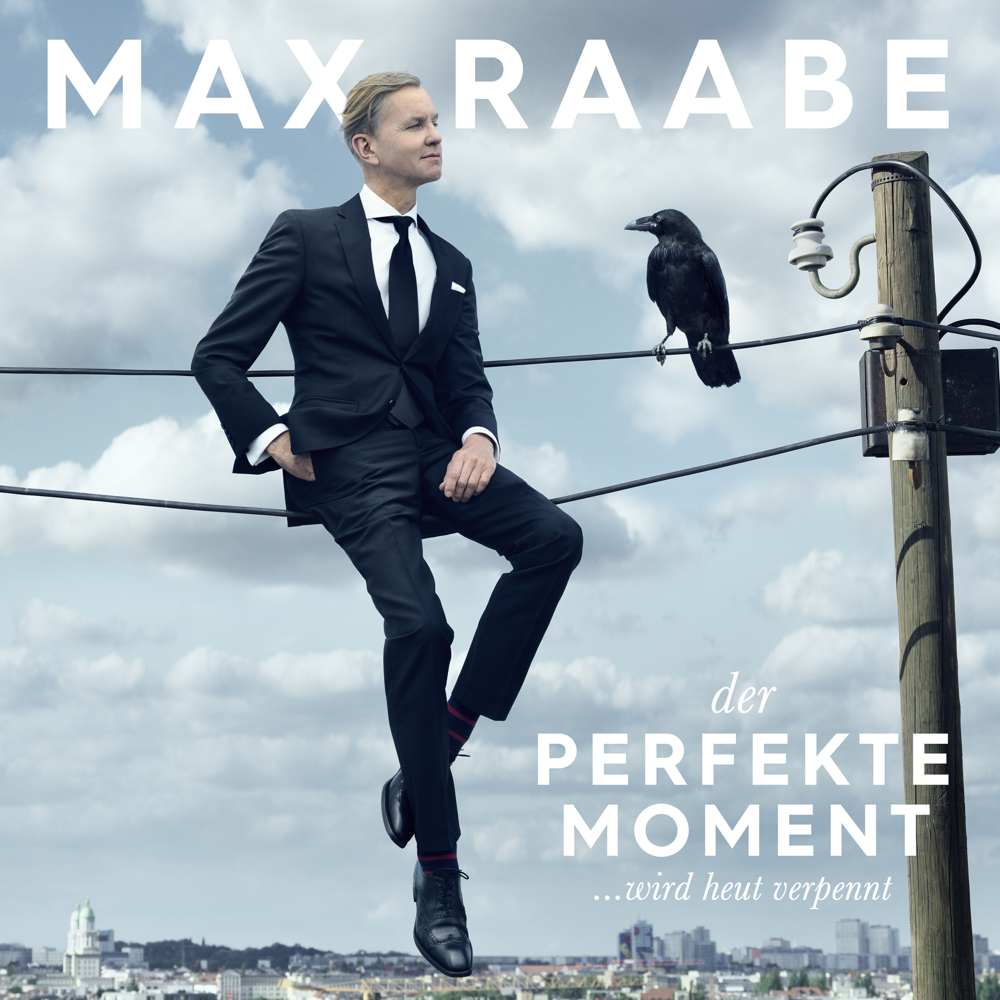
 View Artist