Song Meaning
Max Giesinger's "Für dich" isn't just another apology track; it's a raw, almost desperate attempt to reconnect after a fracture. The song's opening lines, lamenting a failure to understand the unspoken reasons for distance, immediately establish a sense of profound disconnection. He sings, essentially, that even amidst a world of communication, he's lost the language of this particular relationship. This isn't about surface-level misunderstanding; it's a deeper failure to grasp the emotional core of the other person, suggesting a breakdown in empathy.
The lyrics hint at past transgressions – betrayal, hurt, perhaps even reckless behavior ("Hab uns aufs spiel gesetzt"). Giesinger doesn't shy away from acknowledging his role in the fallout. It's this willingness to take responsibility, however vague, that gives the song its weight. The repetition of "Kann es sein, dass du weinst? Seh ich da tränen?" reveals his vulnerability and the pain he feels witnessing the consequences of his actions. He is not just sorry, but actively affected by her pain. The line "Mir fehlt die zeit, dir mehr zu geben" is particularly telling. It suggests a conflict between his personal ambitions or external pressures and the emotional labor required to maintain the relationship. It’s a modern lament, where time itself becomes the enemy of intimacy.
Ultimately, "Für dich" circles back to the core assertion: "Du bist immer noch dieselbe für mich." This refrain, repeated throughout, underscores a longing for the past, for a time when the connection was strong and unburdened. The memories of shared nights and intense passion ("Wir liebten uns wie wilde / Haben uns um den schlaf gebracht") serve as a painful contrast to the present silence. The song becomes a poignant exploration of regret, the struggle to balance personal ambition with emotional responsibility, and the enduring power of memory in the face of fractured relationships. Giesinger captures the messy, imperfect reality of human connection, where love and loss often intertwine. The song meaning resides in this complex emotional space, resonating with anyone who has grappled with the aftermath of their own mistakes.
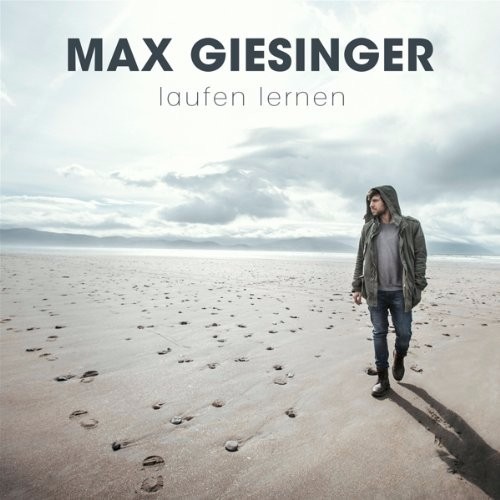
 View Artist