Song Meaning
The lyrics paint a disorienting picture of desperate attachment and a yearning for escape, all wrapped in a surreal, almost nightmarish atmosphere. The opening plea, "Rimani per sempre con me" (Stay with me forever), immediately establishes a sense of clinging, but this is quickly undercut by a contradictory "vattene" (go away). This push and pull creates a palpable tension, suggesting a relationship or situation that is both suffocatingly essential and deeply damaging.
The core conflict seems to be the narrator's inability to reconcile their need for someone with the destructive nature of that presence. The line "È troppo il bisogno di te" (The need for you is too much) highlights this overwhelming dependency, yet the subsequent command to "vattene" reveals a dawning, albeit painful, realization that this connection is preventing personal freedom. The desire to "vedere di nuovo il sole / Del colore che è" (see the sun again / The color that it is) is a powerful metaphor for reclaiming a lost sense of reality and self, a reality currently obscured by the intense, blue-tinged sun.
The most striking element is the jarring imagery that amplifies the psychological distress. The assertion that "Il sole è blu" (The sun is blue) immediately signals a warped perception of reality, a world fundamentally out of sorts. This surrealism is further emphasized by the chilling "Qualcuno vuole uccidermi" (Someone wants to kill me) and the unsettling observation of "Le formiche si riproducono accanto a me" (Ants are reproducing next to me). These images aren't literal; they serve to externalize an internal state of paranoia, decay, and existential threat, making the narrator's plea to stay and their simultaneous need to flee feel like a desperate struggle for survival within their own mind.
Ultimately, the effectiveness of these lyrics lies in their raw, almost frantic emotional honesty and their bold use of surrealism to convey profound psychological turmoil. The constant repetition of "Non tornare più" (Don't come back) acts as a mantra of self-preservation, even as the narrator confesses the overwhelming need for the very thing they are trying to reject. This internal battle, rendered through vivid, unsettling imagery, captures the agonizing paradox of being trapped by a dependency that one knows must be broken to truly live.
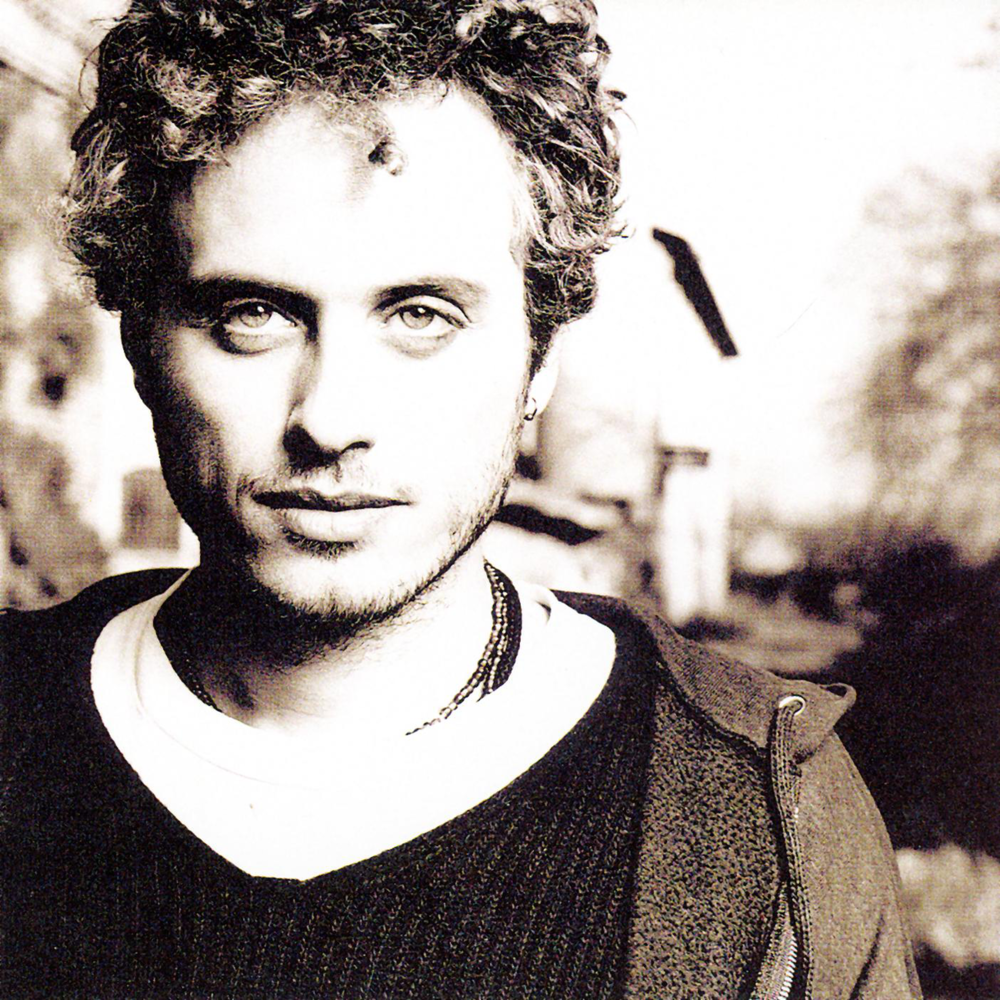
 View Artist