Song Meaning
The lyrics paint a stark picture of urban desolation, where the evening closes in like "shutters making noise" and the wind "freezes the last hours." This isn't a gentle twilight; it's a harsh, almost violent transition into night. The imagery of rain "unraveling houses" and finding "peace on the train tracks" suggests a world where even natural elements seem to abandon or erode the structures of human life, leaving them in a place "where no one will look."
The chorus, "Tutti salvi non è successo niente / Tutti salvi è stato divertente" (Everyone safe, nothing happened / Everyone safe, it was fun), creates a jarring dissonance. This refrain feels like a forced reassurance, a collective denial of the bleakness described. The repetition of "nothing happened" after detailing scenes of decay and abandonment highlights a profound disconnect between outward appearances and inner reality, or perhaps a desperate attempt to convince oneself that the encroaching emptiness is inconsequential.
The shift in the fourth stanza, where nights "begin earlier" between a hospital and a gun shop, intensifies the sense of unease. The proximity of life-saving and life-ending institutions, juxtaposed with the mundane "gas station," frames a grim existence where "living isn't worth much anymore." This specific, almost clinical, placement of elements underscores the narrator's perception of a world stripped of value and meaning, making the repeated chorus of safety feel increasingly hollow and ironic.
Ultimately, the lyrics seem to grapple with a profound sense of societal or personal malaise, masked by a superficial declaration of well-being. The final, repeated "Siamo tutti salvi" (We are all safe) lands not as a genuine comfort, but as a desperate, almost frantic, incantation against an overwhelming sense of loss and emptiness, suggesting that true safety is an illusion in this desolate landscape.
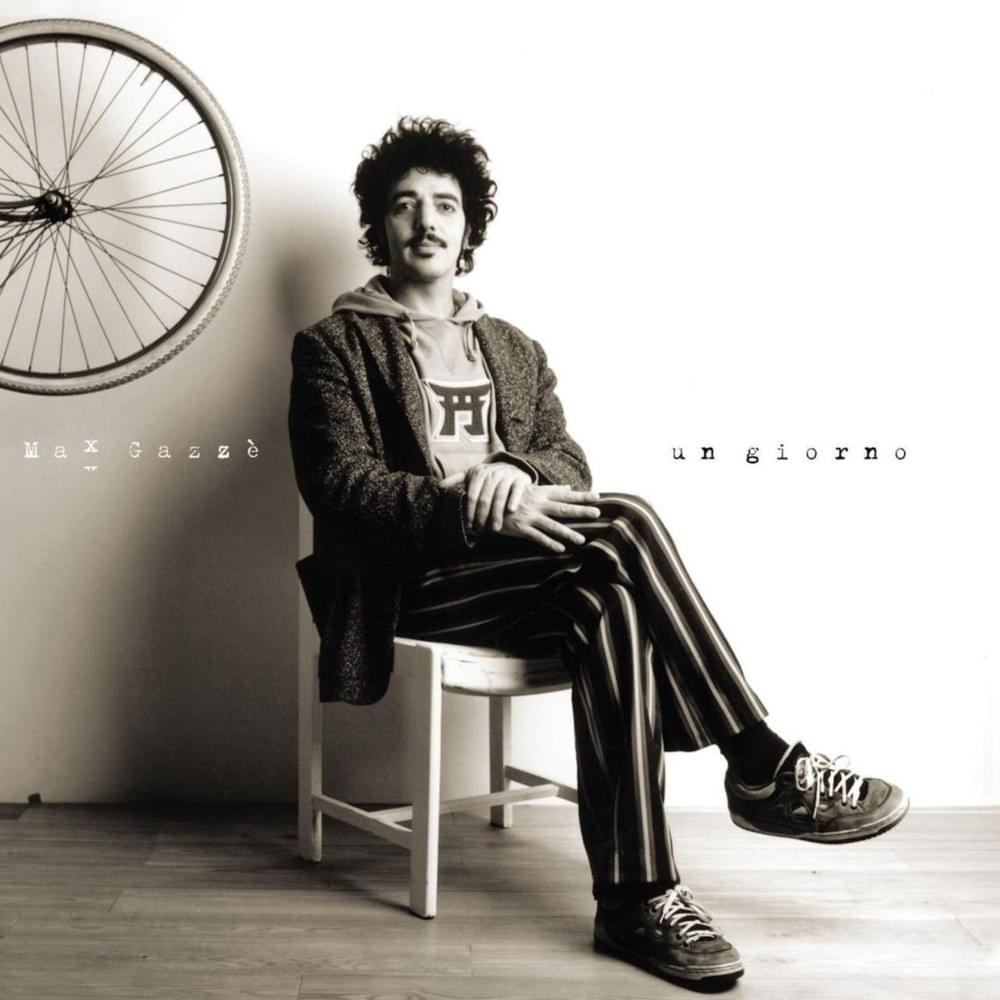
 View Artist