Song Meaning
The lyrics paint a picture of someone who claims to be doing well, even "sto bene davvero," yet simultaneously expresses a deep-seated resistance to change and a desire for isolation. This internal conflict is immediately apparent, setting a tone of guarded self-assurance. The repeated "Para pa pa..." acts as a rhythmic placeholder, perhaps masking an underlying unease or a simple, almost childlike, attempt to maintain a facade.
The central tension lies between the narrator's assertion of well-being and the clear indications of internal struggle and withdrawal. Phrases like "Ma non guardarmi mai" (But never look at me) and "E non mi capirai" (And you won't understand me) suggest a deliberate effort to keep others at bay, despite the claim of being "bene davvero." This creates a poignant contrast between outward presentation and inner reality, hinting at a vulnerability that the narrator is unwilling to expose.
The most striking aspect of the craft is the insistent repetition of "Credo che non cambierò" (I believe I won't change) and "Credo che non uscirò" (I believe I won't go out). This refrain, particularly when amplified to four repetitions at the end, underscores a profound commitment to stasis and self-containment. The actions described – "Mordo, canto, guardo" (I bite, I sing, I watch) – are framed as solitary activities, performed "Solo per me" (Only for me), reinforcing the theme of self-imposed isolation.
Ultimately, these lyrics resonate because they capture the complex human impulse to both seek comfort and fear genuine connection or transformation. The narrator's insistence on their own unchanging nature, while simultaneously admitting to internal processes like "pensieri sottili" (subtle thoughts) and the dog's suspicion, creates a compelling portrait of someone holding onto a carefully constructed internal world, even as the outside world and their own inner life suggest otherwise.
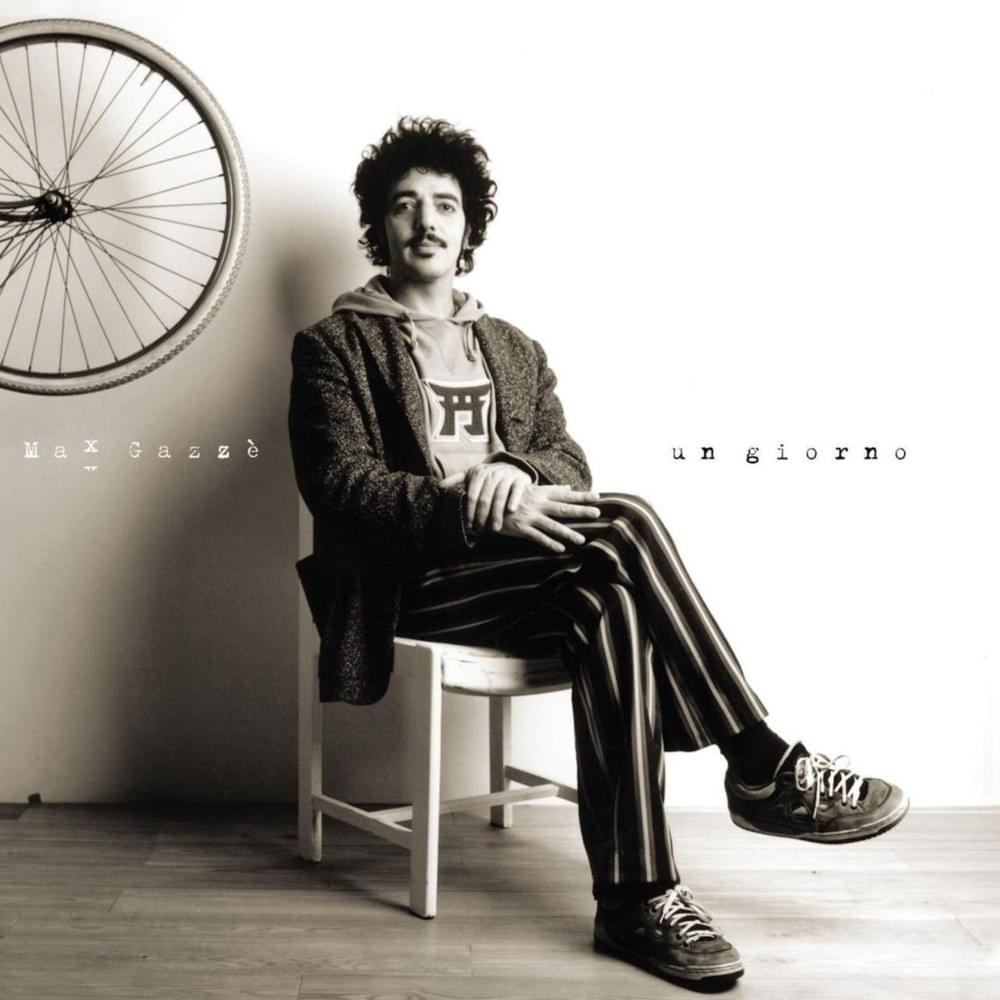
 View Artist