Song Meaning
Max Barskih's "Invisible" isn't just a lament; it's a stark portrayal of emotional disconnection and the agonizing feeling of being unseen within a relationship. The opening lines immediately establish a dynamic of torment and avoidance, hinting at a partner who derives pleasure from the speaker's distress. This isn't a simple case of unrequited love; it's a relationship defined by manipulation, where the speaker feels like a plaything, their attempts to connect met with indifference or even cruelty. The line, "You get used to hurt, you prefer the violence without the words," is particularly cutting, suggesting a partner who thrives on passive-aggressive behavior, using silence as a weapon to inflict pain. The lyrics analysis points to a toxic cycle where the speaker is both drawn to and repelled by this dynamic, a common pattern in relationships marked by emotional abuse.
The core of the song meaning lies in the paradoxical declaration of invisibility. The repeated refrain, "Baby, I'm invisible / For you, I'm invisible," speaks to the profound sense of alienation the speaker experiences. It's not merely about being ignored; it's about the feeling that one's thoughts, feelings, and very existence are irrelevant to the other person. This feeling is intensified by the lines, "All I try to say goes another way," highlighting the frustration of constantly being misunderstood or unheard. The desert metaphor – "I was waiting for rain in the hot desert my heart was dry" – further emphasizes the emotional barrenness and the speaker's desperate longing for connection and validation within the relationship.
Ultimately, "Invisible" captures the psychological toll of feeling unseen and unheard by someone you deeply care about. The repeated questioning of sanity – "Maybe I'm insane, burning up your brain" – suggests the speaker is internalizing the blame for the relationship's dysfunction, a common symptom of emotional manipulation. The desire to escape – "I wish I were gone, I wish I'd never known you" – reveals the depth of the speaker's despair and their longing for freedom from this painful dynamic. Barskih's song resonates because it taps into a universal fear: the fear of being emotionally erased by the very person who should cherish and understand us.
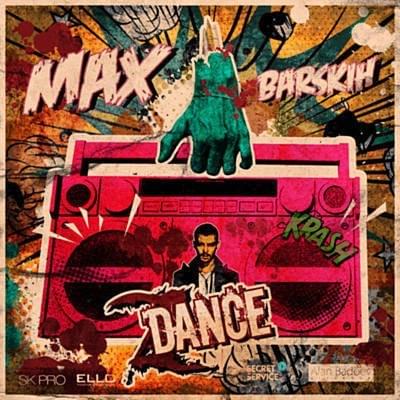
 View Artist