Song Meaning
This hymn immediately dismantles geographical and directional divisions, stating "In Christ there is no East or West; No North or South." It posits a singular, all-encompassing love that operates internally and externally. The lyrics suggest a spiritual unity that transcends physical boundaries and even perceived limitations like being "deaf and some blind." This core idea is that true connection is found not in outward appearances or locations, but in a shared, internal spiritual experience.
The central tension arises from the contrast between this ideal unity and the reality of division. While the lyrics proclaim "no black or white" and that "Hatred cannot divide," they also acknowledge the existence of "True hearts everywhere" who might be "lost souls" or unable to find the "one melody." This implies that while the spiritual truth of unity exists, not everyone perceives or experiences it, creating a subtle conflict between the divine ideal and human perception.
The most striking craft element is the consistent negation of divisions. The repeated assertion of what *isn't* there – no East or West, no North or South, no black or white, no division by hatred – powerfully builds the case for what *is* there: "only one great love." This rhetorical strategy emphasizes the all-encompassing nature of this love by first clearing away all the barriers that humans typically erect.
Ultimately, the lyrics resonate because they offer a profound sense of belonging and shared humanity. By framing spiritual kinship as the ultimate connection, the song suggests that anyone who "serves my Father as a son" is inherently family. This inclusive vision, reinforced by repeated calls to "Join hands and have faith" and "Forgive your enemy," creates an emotional impact of peace and solidarity, grounded in a powerful, unifying spiritual concept.
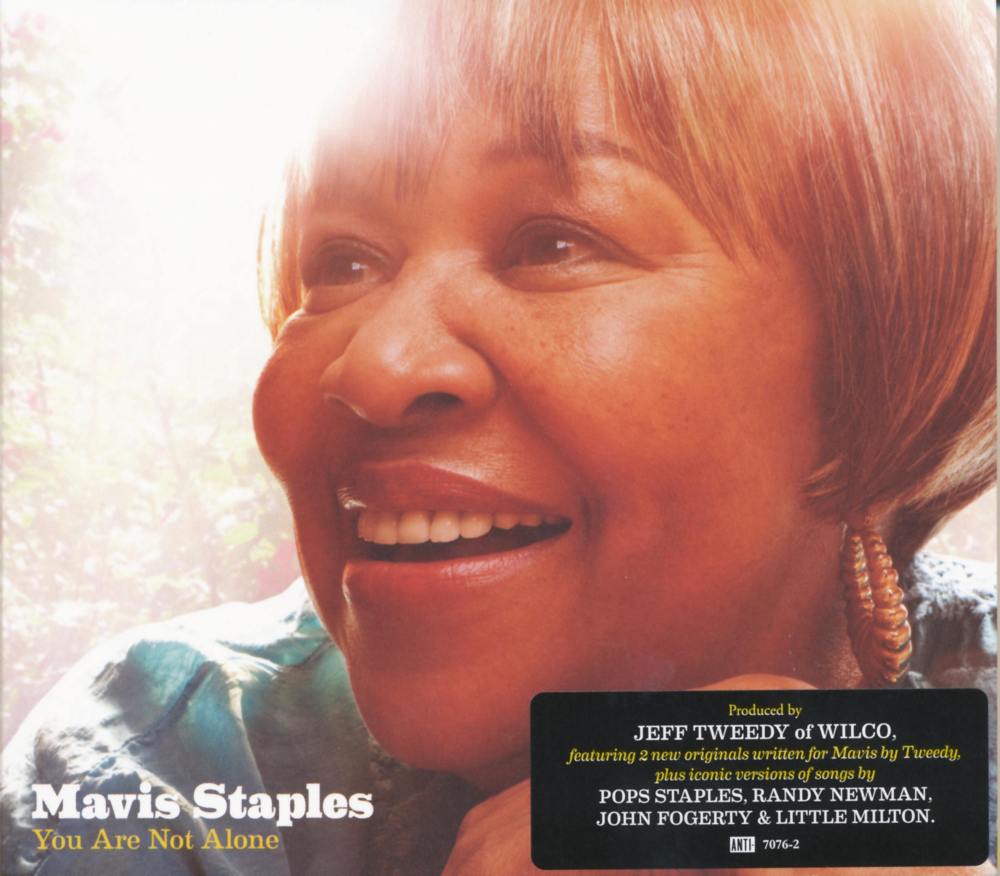
 View Artist