Song Meaning
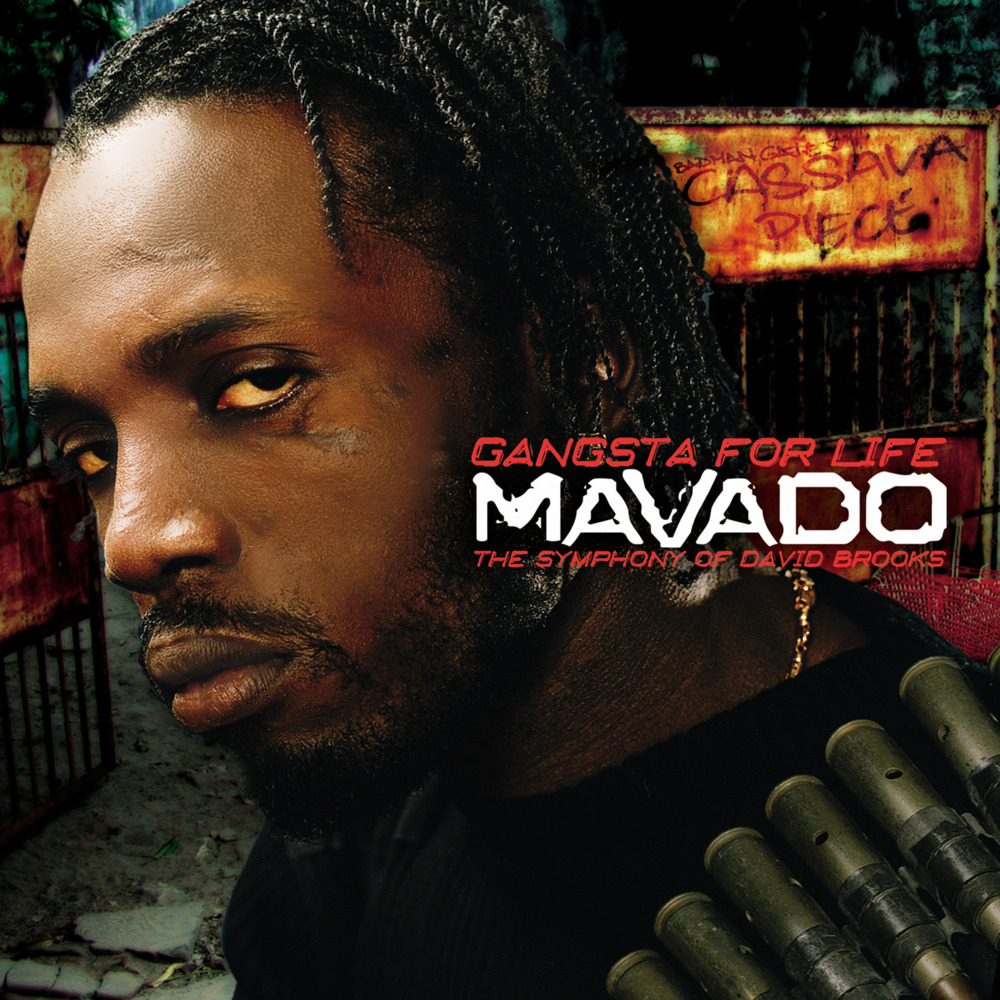
This prayer opens with a powerful, reverent invocation of divine titles, immediately establishing a tone of deep spiritual devotion. The speaker, a father, then cuts through the grandeur with a raw, urgent plea: "Hear my cry." It's a direct, vulnerable appeal to the Most High for his son, David.
The father's anxieties for David are palpable, painting a picture of a young man navigating a perilous world. He seeks protection from both overt physical danger, described vividly as "bloody men," and the more insidious threat of external influence from those "Who surround him with opinions." The plea for a divine "vision, / To distinguish friends from foes" underscores the critical need for discernment on what the lyrics suggest is a "lonely path."
Intriguingly, the prayer expands beyond David's immediate safety to encompass his wider impact. The father asks to "Bless his listeners, / With overstanding and patience," and to "remind the critics, / That all Judgement belongs to thee." This shift suggests David might be in a public-facing role, perhaps as a speaker or artist, where his words and actions are subject to scrutiny, broadening the scope of the father's protective concern.
Ultimately, the prayer's power lies in its blend of profound faith and deeply personal vulnerability. The use of specific Rastafarian language, like "I mouth" and "I heart," grounds the father's plea in a rich spiritual tradition. His final request—that his own "words" and "meditation" be "acceptable in thy sight"—underscores a humility that makes this protective father's prayer resonate with universal human longing for guidance and grace.
 View Artist