Song Meaning
The lyrics paint a stark picture of regret and a yearning for a fresh start, contrasting a past of personal missteps with a remembered vision of someone else's idyllic happiness. The narrator admits, "I made my mistakes / Let the darkness take root," immediately establishing a tone of self-recrimination. This is juxtaposed with a memory of a loved one "running in the sun / On the warm sand," a scene where "the gods smiled / And held your hand." This idyllic image is immediately undercut by the narrator's realization, "I already knew then / That it was just a dream," highlighting a painful awareness of the ephemeral nature of that happiness and the chasm between their realities.
The central tension lies in the narrator's desire to "turn the page now / Want to start over" and to "make peace someday." This hope for future reconciliation or at least closure is fragile, especially when confronted with the recurring refrain: "and the rhythm of a lonely heart / Beats its lonely beats." This repetition emphasizes a persistent, internal solitude that seems to follow the narrator despite the external shift of "a new day / Dawns outside my window." The internal state of loneliness is a constant, even as the external world moves on.
The most striking craft element is the personification of judgment and the courtroom metaphor. The "jury begins to gather / And clears its throat / Leans forward / And stares at me." This internal tribunal finds the narrator "guilty / Of not daring to believe / In a real love / Of flesh and blood." This powerful imagery externalizes the narrator's self-condemnation, framing their past failures not just as personal errors but as a fundamental inability to embrace genuine connection. The subsequent lines, "And if it's not war / Then it's peace negotiations / This lost soul / In its constant transformation," further underscore a feeling of perpetual internal conflict and an ongoing, perhaps futile, struggle for self-understanding and peace.
Ultimately, the effectiveness of these lyrics stems from their raw honesty and the vivid, if painful, metaphors used to describe internal states. The contrast between the remembered golden moment and the present reality of isolation, amplified by the courtroom imagery, creates a profound sense of pathos. The recurring "lonely heart" refrain acts as a constant, somber reminder of the narrator's enduring state, making the desire for a "new chapter" feel both urgent and deeply uncertain. The lyrics resonate because they articulate the heavy burden of past regrets and the difficult, often solitary, process of confronting one's own perceived failings.
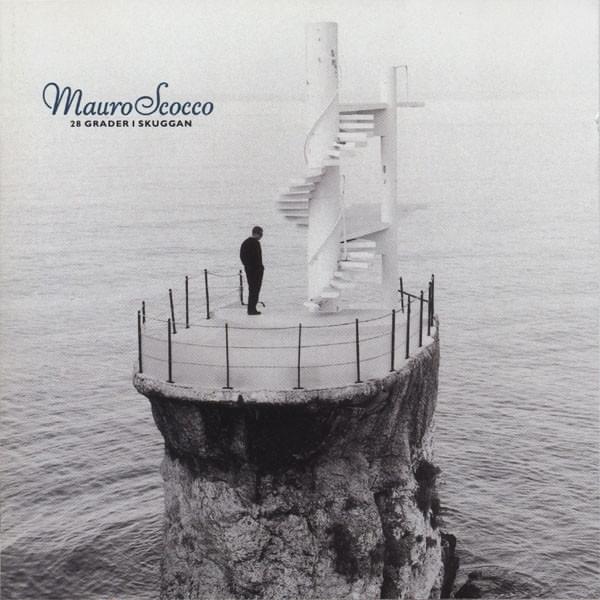
 View Artist