Song Meaning
The lyrics paint a stark picture of a relationship's end, where the present is defined by absence and the past by irretrievable moments. The opening lines immediately establish a sense of finality, stating "Nothings like before" and acknowledging that "The moment of truth comes, as always, in the end." The narrator reflects on lost time, specifically mentioning "Blue eyes that promised you everything you want," suggesting a past filled with potential that has now evaporated, leaving only the bitter realization that "All these years that have passed / We'll never get back." This sets a melancholic tone, grounded in the tangible loss of shared history.
The central conflict emerges from the narrator's attempt to process this loss within the physical space of their former shared life. Standing in an "empty apartment / That once was ours," the narrator searches for understanding, but finds only the echoes of what used to be. The repeated refrain, "But the only thing left / Are pictures of who we were," underscores the painful disconnect between the past vibrancy of the relationship and the desolate present. This isn't just about a breakup; it's about confronting the ghost of a shared identity that no longer exists.
The most striking aspect of the writing is the narrator's internal struggle to reconcile the emotional fallout. They declare indifference to blame or personal consequence, stating, "I don't say anything / About right or wrong / I don't even care for my own sake." This detachment, however, is immediately followed by a profound internal division: "And the heart goes its way / And reason goes its / I have to find a third / I can call my own." This highlights a desperate search for a new equilibrium, a way to navigate the emotional wreckage when logic and feeling are pulling in opposite directions.
Ultimately, the effectiveness of these lyrics lies in their raw, unadorned depiction of post-relationship desolation. The repetition of the empty apartment and the haunting image of "pictures of who we were" creates a palpable sense of lingering presence within absence. The narrator's internal plea for a "third" way forward, distinct from heart or mind, speaks to the complex, often illogical, process of healing and self-redefinition after profound loss. It’s a quiet, devastating portrait of facing the remnants of a life built together.
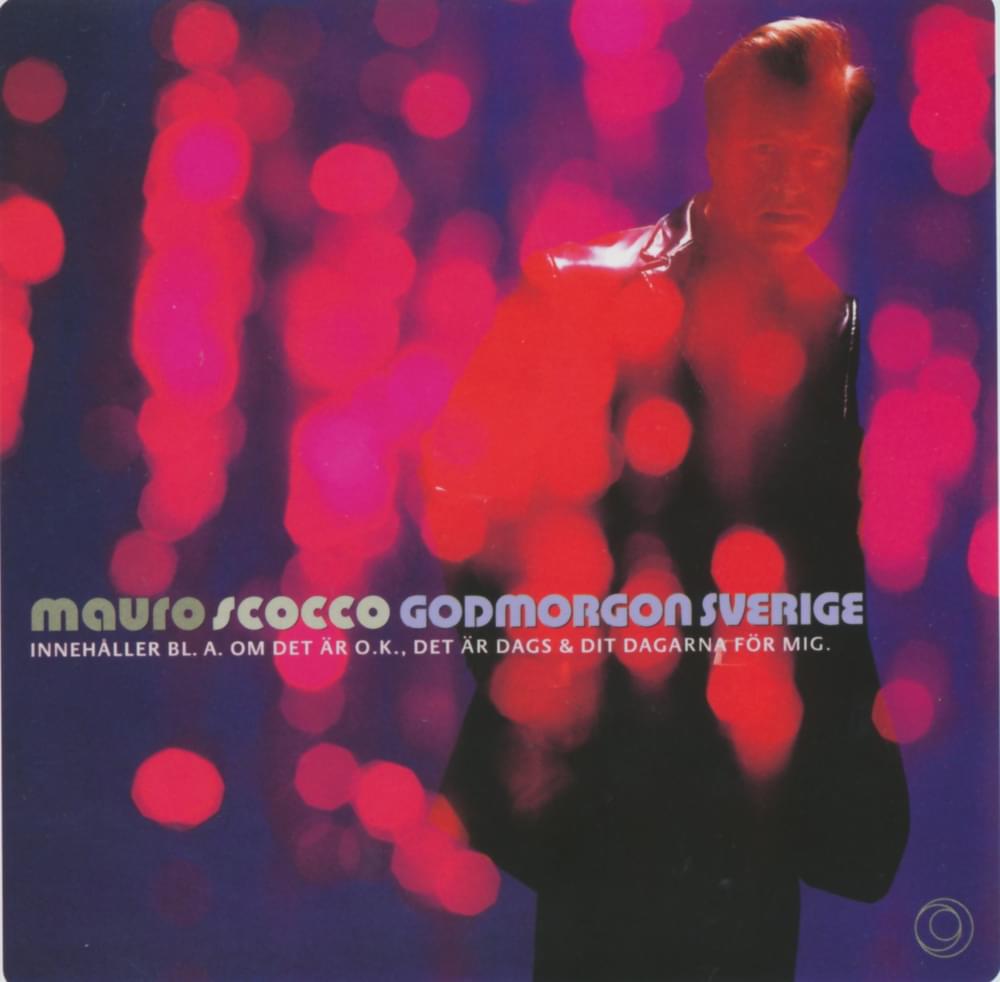
 View Artist