Song Meaning
The narrator revisits a memory of a younger girl, perhaps on a swing set, dressed in white and blue, with a springtime look in her eyes. He recalls walking her home, waiting outside, unsure of what or who he was waiting for. The scene is steeped in a wistful, almost melancholic nostalgia, tinged with regret for unspoken possibilities and a sense of lost time. The narrator seems to be grappling with a past encounter that never fully materialized.
The core emotional tension lies in the narrator's profound apology, repeated throughout the chorus. He expresses regret for not taking her away, for the limitations of dreams confined to fantasy, and for his own perceived uselessness. This self-deprecation is amplified by the idea that he wastes tears over a woman who causes him such intense emotional pain, suggesting a love or obsession that is both consuming and unfulfilled. The repeated "Scusa" (sorry) acts as a desperate plea for understanding or perhaps absolution.
A striking element is the contrast between the innocent imagery of the past – the swing, the white and blue dress, the springtime gaze – and the narrator's present despair. He questions if she ever thinks of him in the dark, highlighting a lingering connection or hope. The phrase "due complici" (two accomplices) in the context of a stolen kiss suggests a shared secret, a moment of intimacy that, while perhaps fleeting, felt significant to both, even if the narrator now feels he failed to act on it.
These lyrics resonate because they capture the universal ache of missed opportunities and the painful self-awareness that can accompany them. The narrator's raw admission of inadequacy and the way he frames his longing as a source of his suffering – "spreco le mie lacrime / Per una donna che mi fa morire" – makes his regret palpable. The fading of "favole" (fairy tales) at the end underscores the loss of innocence and the harsh reality that sometimes, dreams remain just that.
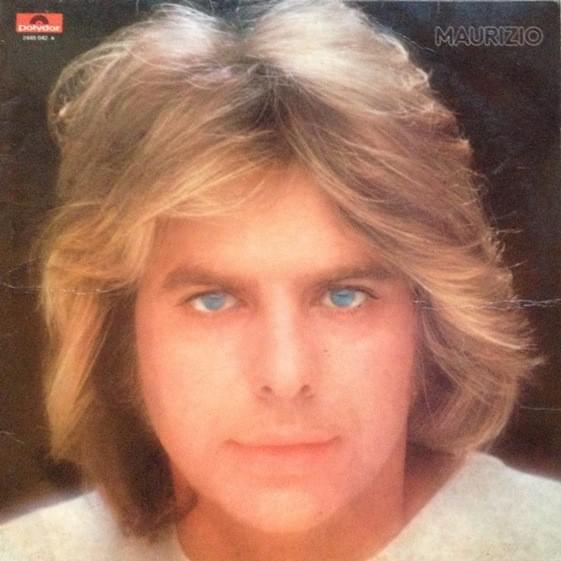
 View Artist