Song Meaning
This track paints a picture of profound transformation, driven by the all-encompassing force of love. It opens with a series of evocative questions, positing natural inversions: the sun yielding to night, sunsets becoming lovebeds, and fire needing no wood. These aren't literal shifts, but rather a poetic framing of how love can fundamentally alter perception and reality, turning even basic elements like wood into light, or innocence into color.
The core tension arises from the duality of love's impact. While innocence can bloom into color, happiness can tragically transform into pain. The lyrics suggest that the very intensity of human connection, the giving of oneself from man to woman, can lead to sorrow even within joy. This mirrors the earlier natural imagery, highlighting that love's power is not always gentle or straightforward; it can be a source of both creation and profound emotional cost.
The most striking aspect is the shift in the third stanza, moving from abstract transformations to concrete, almost elemental ones. Rivers become seas, earth turns to mud, and mud builds houses. Grass becomes a nest, and the nest becomes life itself. This escalating imagery culminates in a powerful declaration of self-annihilation and merging: "Per amore divento io / Parte di te!" (For love, I become myself / Part of you!). It's a breathtaking surrender, where the individual dissolves into the beloved.
Ultimately, the lyrics resonate because they capture love's capacity to redefine existence. The final stanza expresses a yearning to be essential, to provide sustenance like bread and wine, even to become divine. This desire to transcend the self and become a fundamental part of another's life, to be nourishment and transformation, is the potent emotional engine driving the song's powerful, almost spiritual, plea.
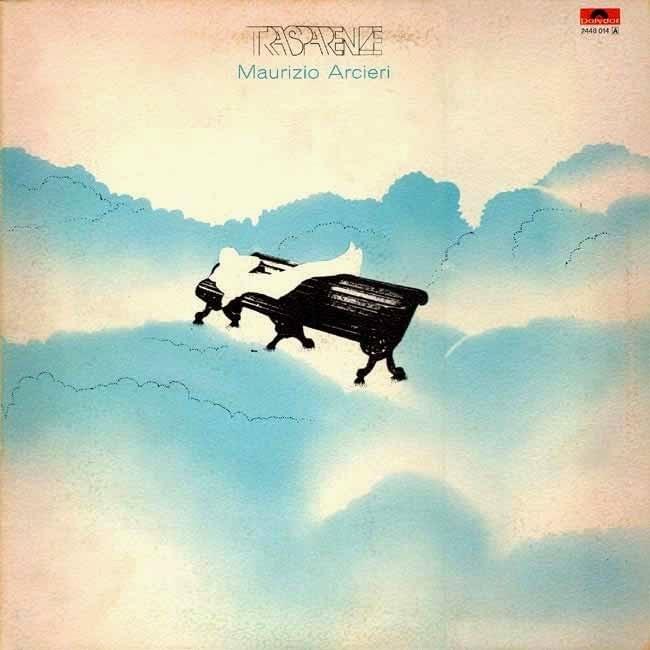
 View Artist