Song Meaning
The lyrics paint a picture of a world where love is universally associated with the color blue, a shade that signifies beauty and new beginnings, like the rising sun and blooming flowers. The narrator initially yearns for this idealized, blue-tinted love, believing it to be the standard. This sets up a hopeful, almost naive, expectation for what love should be, directly tied to a vibrant, positive hue.
However, this idealized vision quickly clashes with the narrator's personal reality. The core tension arises from the stark contrast between the expected "blu" love and the love they actually experience. Instead of the promised blue, the narrator receives "lacrime" (tears) and an "amore tutto grigio" (a love all gray). This grayness isn't just a lack of blue; it's an active, draining experience that directly contradicts the joyful, natural emergence of love described earlier.
The most striking craft element is the persistent repetition of "blu" versus the stark, almost accusatory, description of the gray reality. The repeated assertion that "L'amore è blu" (Love is blue) becomes a refrain of what *should* be, while the personal experience is consistently defined by what it *isn't*. The phrase "Però ci sei tu" (But there is you) acts as the pivot point, introducing the individual relationship that disrupts the universal, blue ideal. The structure emphasizes this conflict, framing the personal experience as an exception to a perceived natural law of love.
This lyrical construction is effective because it taps into the universal feeling of love not meeting expectations. The simple, elemental imagery of colors – blue for ideal, gray for reality – makes the emotional disappointment palpable. The narrator's yearning for the idealized blue, juxtaposed with the tears and grayness they actually receive, creates a poignant sense of disillusionment that feels deeply personal yet resonates broadly with anyone who's felt love fall short of its imagined potential.
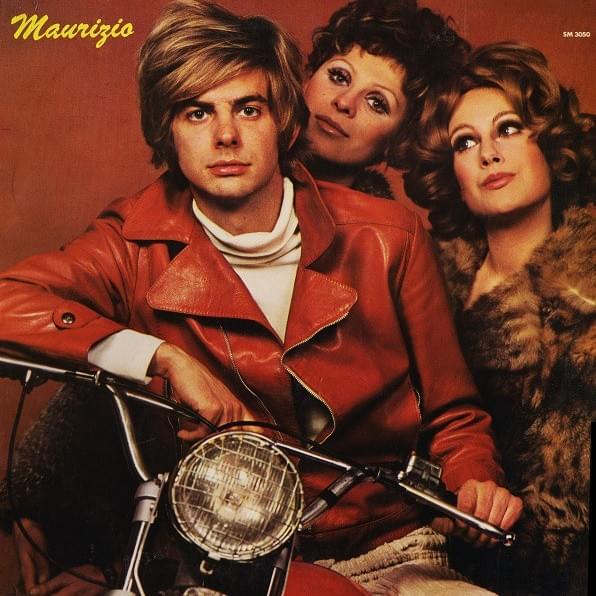
 View Artist