Song Meaning
The lyrics paint a stark picture of a life dictated by the land and the elements, a cyclical existence where survival hinges on the weather. The narrator observes the daily grind, the planting and the harvesting, with a constant awareness of its precariousness. This routine, described as a "usual road, white as salt," feels both essential and suffocating, leading to a breaking point where the desire to escape becomes overwhelming. The repeated phrase, "Ciao amore," acts as a poignant farewell to a life, a love, or perhaps both, tied to this familiar, yet constricting, world.
The central tension arises from the yearning for a different existence versus the harsh realities of the unknown. The narrator dreams of leaving the "courtyard" behind, seeking "another world" and "a thousand gray streets like smoke." Yet, this imagined escape quickly dissolves into a feeling of insignificance, of being "nobody in a world of lights." The rapid transition from rural life to a bewildering urban landscape, "from the carts of the fields to the planes in the sky," leaves the narrator disoriented and longing for the comfort of what was left behind.
The most striking craft element is the stark contrast between the natural, elemental world and the overwhelming, impersonal modern one. The lyrics move from the tangible, sun-and-rain-dependent life to a disembodied existence where one feels like "nobody." This disorientation is amplified by the feeling of being utterly unprepared for this new reality, "not knowing how to do anything in a world that knows everything." The financial desperation, "not having a penny even to return," underscores the irreversible nature of this impulsive departure and the deep regret that follows.
Ultimately, the effectiveness of these lyrics lies in their raw portrayal of a profound disillusionment. The simple, repetitive "Ciao amore" becomes a heartbreaking refrain, a lament for a lost connection and a simpler past. The writing captures the universal ache of seeking something more, only to find that the grass isn't always greener, and that the familiar, even when difficult, holds a powerful, irreplaceable value. The final lines emphasize this painful realization, a deep-seated desire to return to the person or place that represents home.
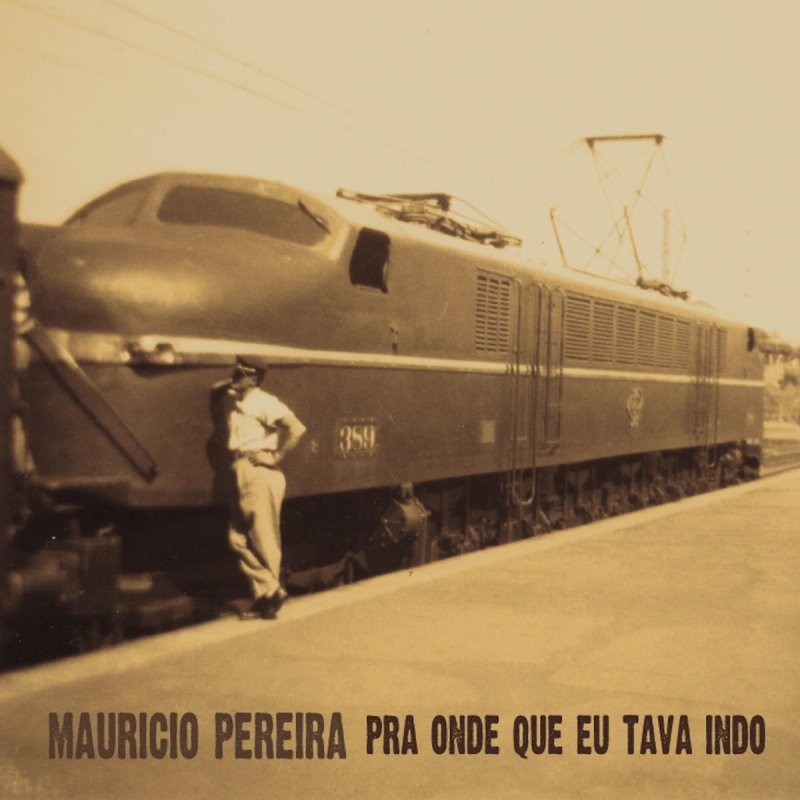
 View Artist