Song Meaning
The lyrics paint a vivid, almost painterly portrait of an alluring stranger whose presence is felt intensely at the narrator's doorstep. The initial description focuses on the stranger's soft eyes, the delicate lines of their face, and a charmingly unfamiliar lip, all of which draw the narrator in. There's an immediate sense of fascination, a pull towards the unknown, highlighted by the comparison of their voice to a "false music" – intriguing yet slightly off-kilter.
The central tension arises from the stark contrast between the narrator's invitation and the stranger's ultimate indifference. The narrator offers warmth and comfort: "Entre! Et que mon vin te réconforte." Yet, this gesture is met with a refusal, a passing by that leaves the narrator observing the stranger's graceful, almost weary, departure. The stranger's movement is described with a specific, almost sensual detail: "la hanche légèrement ployée / Par ta démarche féminine et lasse," underscoring the magnetic, yet ultimately unattainable, quality of the figure.
The craft here lies in the precise, evocative imagery that builds a complex character. The narrator notices minute details – the "beau visage de duvet ombragé," the "courbe fine," the "lèvre chante" – creating a tangible, almost tactile sense of the stranger's beauty. This detailed observation makes the stranger's swift, unreciprocated departure all the more poignant. The description of the stranger's walk as "féminine et lasse" adds a layer of ambiguity and melancholy, suggesting a weariness that perhaps explains their refusal of comfort.
What makes these lyrics resonate is the quiet ache of unfulfilled connection. The narrator is captivated by a fleeting encounter, offering hospitality that is politely but firmly rejected. The lingering image is not of the stranger's beauty alone, but of their graceful, indifferent movement away from the narrator's offered solace, leaving behind a sense of longing and the mystery of their passing.
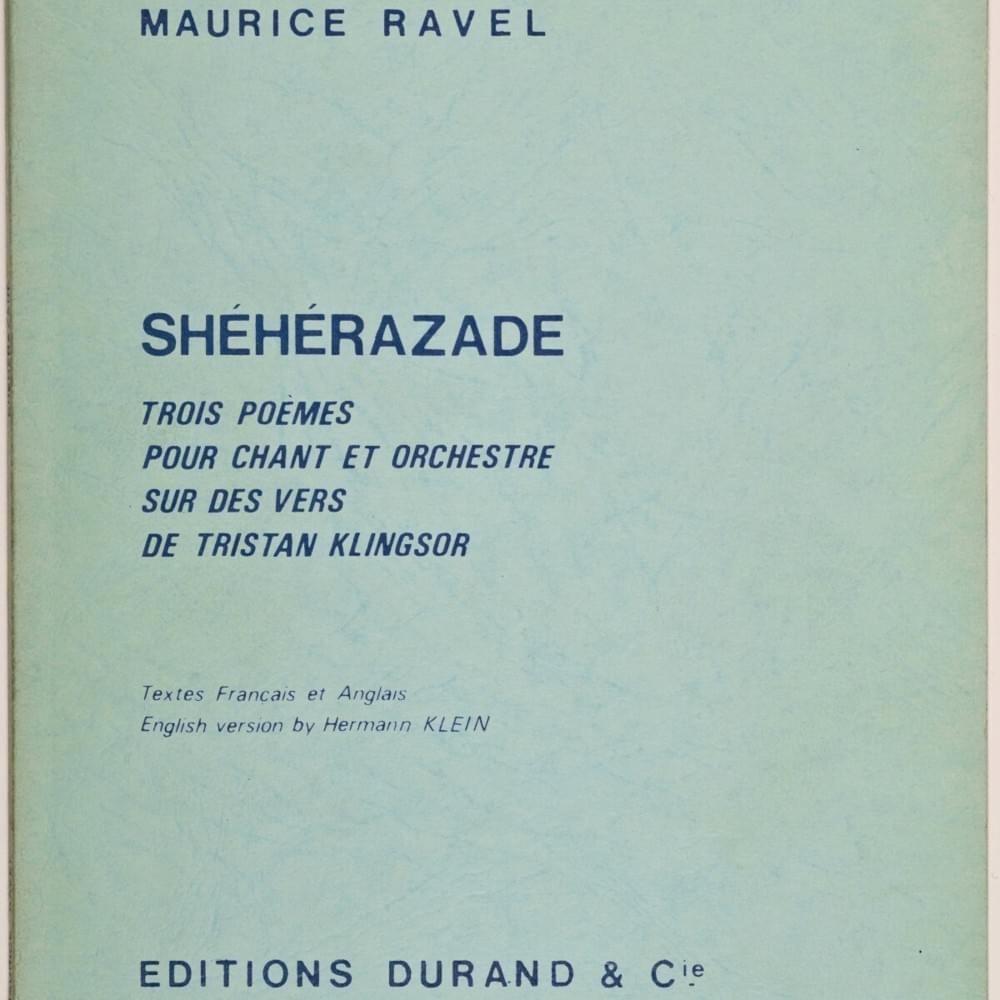
 View Artist