Song Meaning
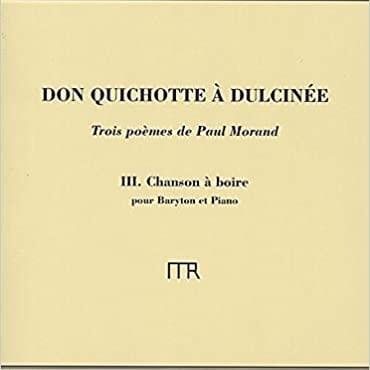
This is a defiant toast to joy, rejecting those who would dim its light. The narrator dismisses a "bastard" and a "brunette mistress" who claim love and wine lead to sorrow. Instead, they raise a glass to pure, unadulterated happiness as the ultimate goal. The lyrics paint a picture of someone actively choosing revelry over lament.
The central tension lies between the narrator's embrace of pleasure and the accusations of others. The "illustrious Dame" and the "brunette mistress" represent external forces attempting to impose a somber view of life, associating love and aged wine with mourning. The narrator vehemently rejects this, declaring that joy is the "only goal" they pursue, especially after drinking.
The most striking element is the contrast between the narrator's spirited declaration and the complaints of their detractors. The "brunette mistress" is accused of putting "water in her drunkenness," a metaphor for diluting or compromising one's own pleasure. The narrator, conversely, champions the unadulterated "joy" found in drinking, suggesting a commitment to experiencing life's pleasures fully and without reservation.
This song hits hard because of its directness and its unapologetic embrace of simple, immediate pleasure. The repeated "Je bois à la joie!" (I drink to joy!) acts as a powerful, rhythmic affirmation. It’s a refusal to be bogged down by external judgments or the perceived sorrows of love, instead finding solace and purpose in the act of drinking to happiness.
 View Artist