Song Meaning
The lyrics paint a picture of profound longing and despair, directly linking the absence of a person named 'Chava' (חוה) to a complete lack of peace or tranquility ('Ein Shalva' - אין שלוה). The repeated "No, no, no, no, no" underscores a deep, almost desperate negation of any comfort or solace. The narrator's internal state is one of pain and disorientation, with a heart that aches and a head that spins, suggesting a profound emotional and mental turmoil stemming from this absence.
The central tension revolves around a desperate hope for reconciliation or return. The narrator clings to the possibility, however slim, that "maybe he will send you to me today." This plea, directed upwards or outwards, reveals a reliance on an external force to mend the broken connection. The imagery shifts to a "blue sea on the sand," a vast, perhaps indifferent, natural landscape where the narrator questions their own worth ("What am I worth?") and hopes for a sign of favor or recognition from the absent person.
The craft of the lyrics lies in its stark simplicity and potent repetition. The direct address "You, you, you, you, you" and "Yes, yes, yes, yes, yes" (or "Gam, gam, gam, gam, gam" - also, also, also, also, also) emphasizes the singular focus of the narrator's desire. Later, the tone shifts to accusation: "You see, you are evil, you have no soul." This sharp contrast between pleading and condemnation highlights the volatile emotional state, oscillating between desperate hope and bitter resentment. The repeated plea, "Don't go, smile," and the question, "Why leave when it's almost good?" reveal a desperate attempt to salvage a connection that seems to be slipping away.
These lyrics hit hard because they articulate a raw, almost primal sense of loss and the desperate, often irrational, hope that can accompany it. The direct, unadorned language, coupled with the insistent repetition, creates an immersive experience of the narrator's fractured state. The oscillation between pleading for return and accusing the other person of cruelty captures the painful complexity of unrequited love or a broken relationship, making the emotional weight palpable and the yearning for 'shalva' (peace) feel intensely real.
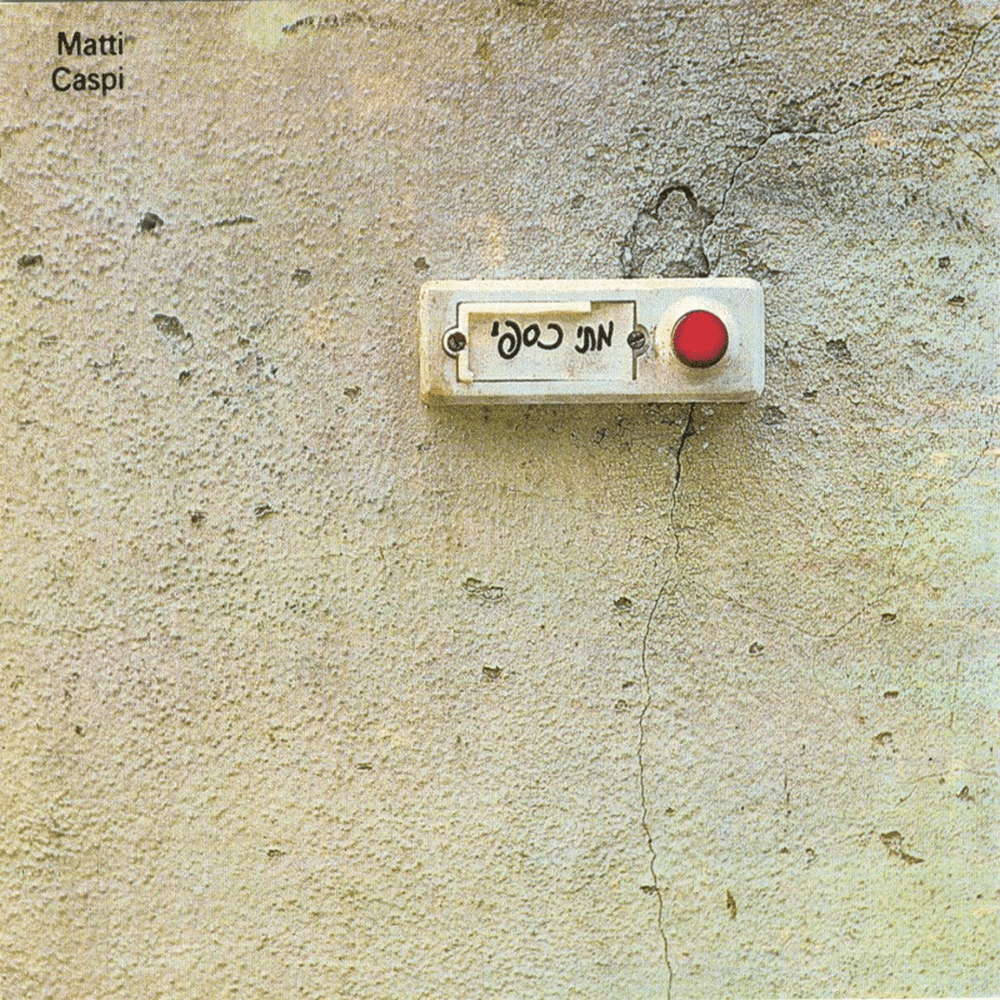
 View Artist